News
More Than a Tournament: Advocacy in Action at the Street Child World Cup
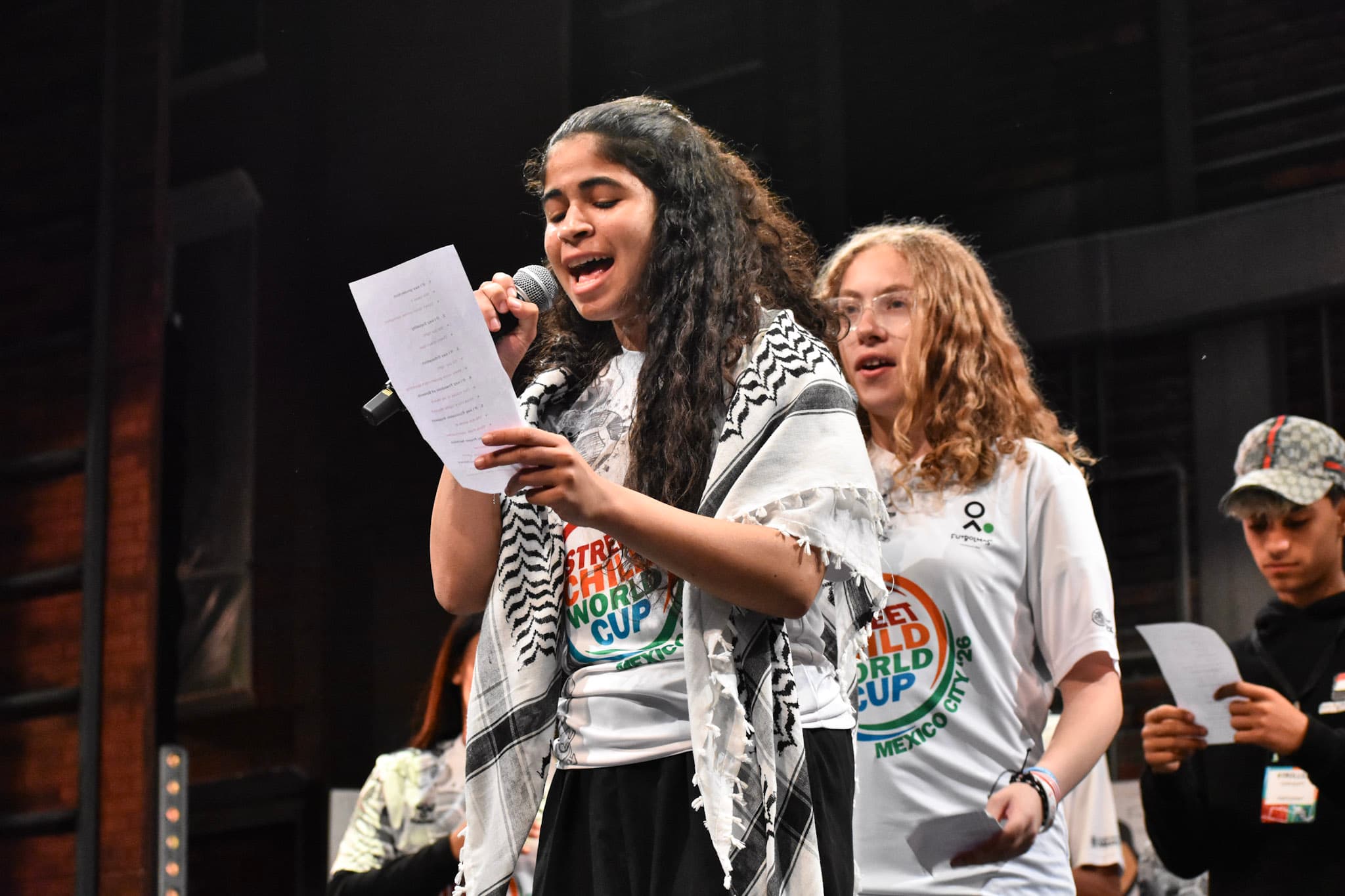
The Street Child World Cup is not simply a football tournament. It's a platform for street-connected young people to make their voices heard and speak directly to those in power to drive lasting change.
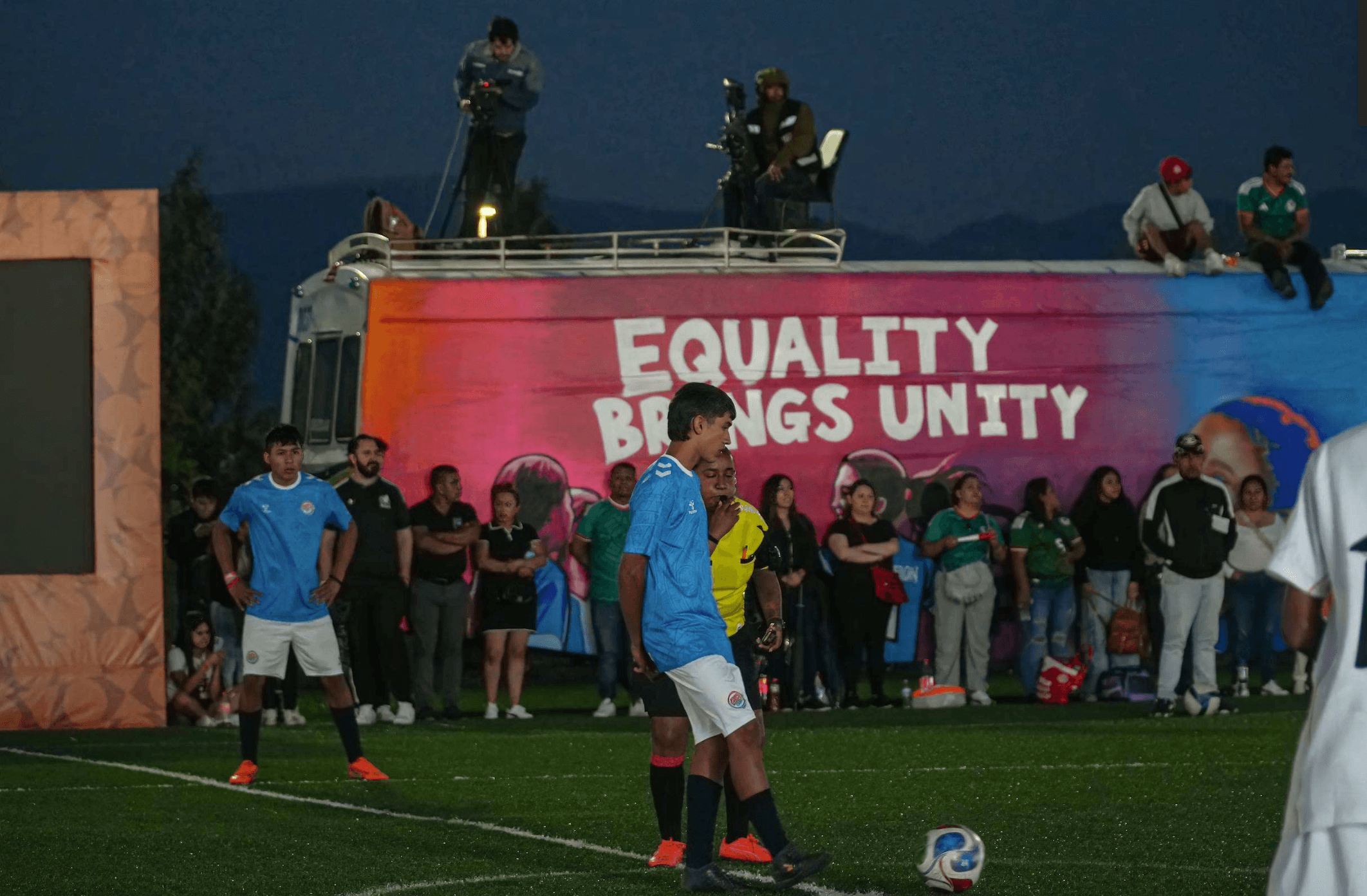
That's true every year, but in Mexico City it felt especially clear. Alongside the football, the arts and the late-night performances, our 28 teams spent the tournament in Congress, structured, youth-led sessions where they discussed their lived experiences, learned about their rights, and turned what they know into formal demands.
From lived experience to formal declarations
Trained facilitators supported the sessions, but the agenda belonged solely to the young people. Working through structured discussions rooted in their own lives, each of our 28 teams developed a country-specific declaration: a formal, rights-based statement of the changes their communities need and are demanding.
These weren't wish lists, they are demands the young people arrived at themselves, grounded in what they know, what they've experienced and what they are owed.
From Bolivia, girls called for education and equal opportunities, and an end to discrimination and violence. From Kenya, girls demanded an end to corruption and access to quality education and healthcare. From India, boys asked for legal identity documents, safe housing, and protection from violence for street-connected communities. From Mexico's Ikoot boys, a call for better homes, psychological support, and respect for their rights and their ability to demand them.
Twenty-eight declarations, twenty-eight communities, but one shared thread ran through every single one: recognition.
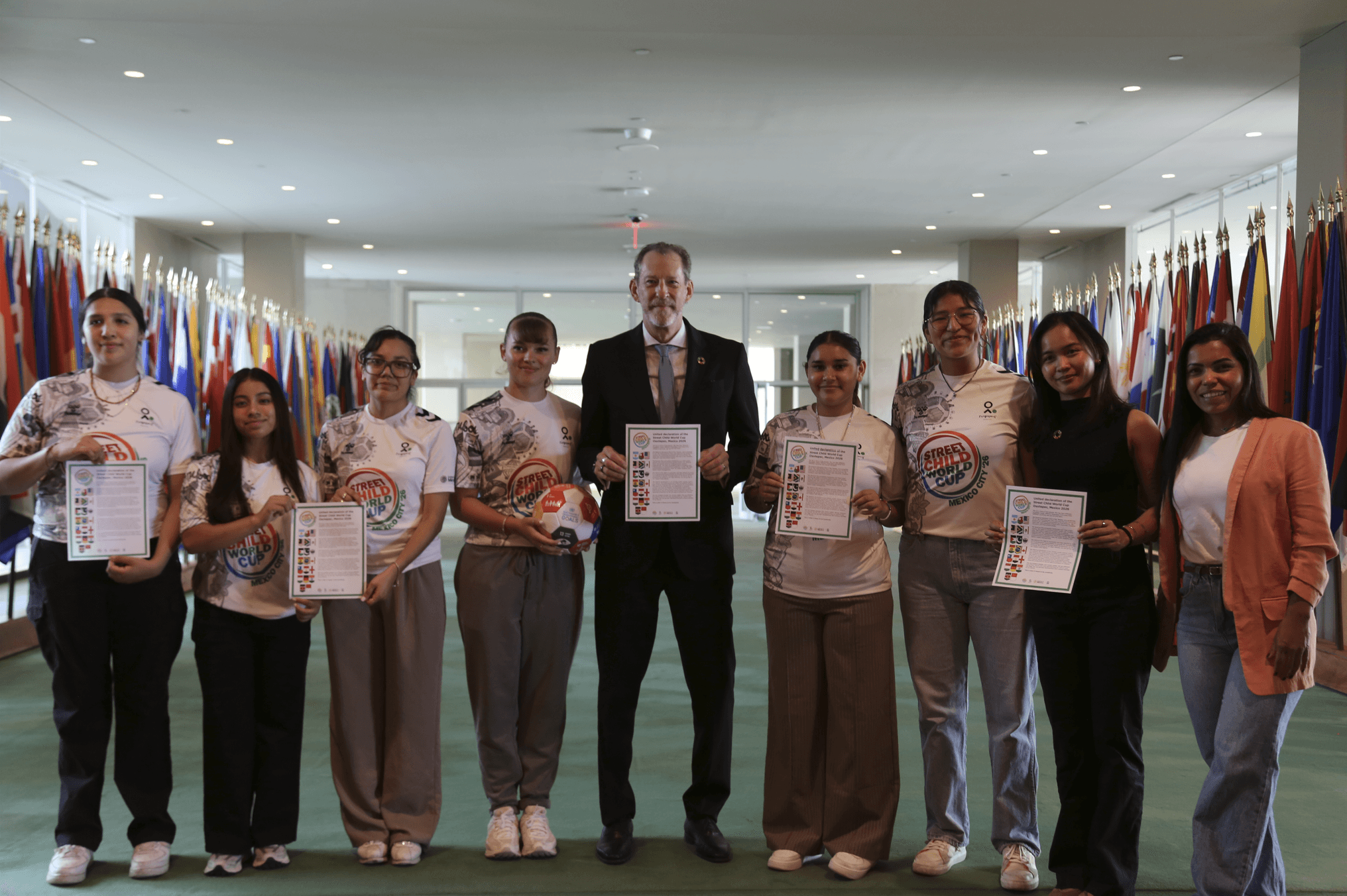
From those team declarations, representatives came together to write a single SCWC 2026 United Declaration - one unified voice from street-connected young people across the world, presented to governments, institutions and decision-makers. It does not speak for street-connected young people. It was made by them.
The General Assembly
Everything the teams had built through Congress came to a head at the General Assembly, held at Mexico City's historic Teatro Hidalgo.
We were joined by an extraordinary gathering: President of Mexico Dr Claudia Sheinbaum, the British and Canadian Ambassadors, the Mexican Government's official representative for the 2026 FIFA World Cup, senior figures from IMSS and Fútbol Más, and Bono and The Edge from U2, who took their seats alongside President Sheinbaum for a moment of real political and historical significance.
Then it was the young people's turn. Teams from across all 20 nations took centre stage and delivered performances of real power and creativity: song, dance and drama woven together with direct demands for change. They spoke about being denied their right to learn, about protection from violence, and about their own gender equality. They spoke about their lives and the lives of young people in their communities. And they presented their rights-based demands directly to every government and institution in the room.
President Sheinbaum's words to the Assembly captured what the day meant:
"We fight every single day so that the dream of every girl and every boy, in every forgotten corner of the world, has imagination as its only limit. Let the football roll where the pain used to roll, so that never again shall we see war steal humankind's hope. Let the violence be silenced. Let the music play. Let the people's joy make noise, but also the passionate scream of Goal!"
At the Street Child World Cup, success is not measured in goals scored. It's measured in the commitments made. The 2026 General Assembly was where that process began.
Carrying it further
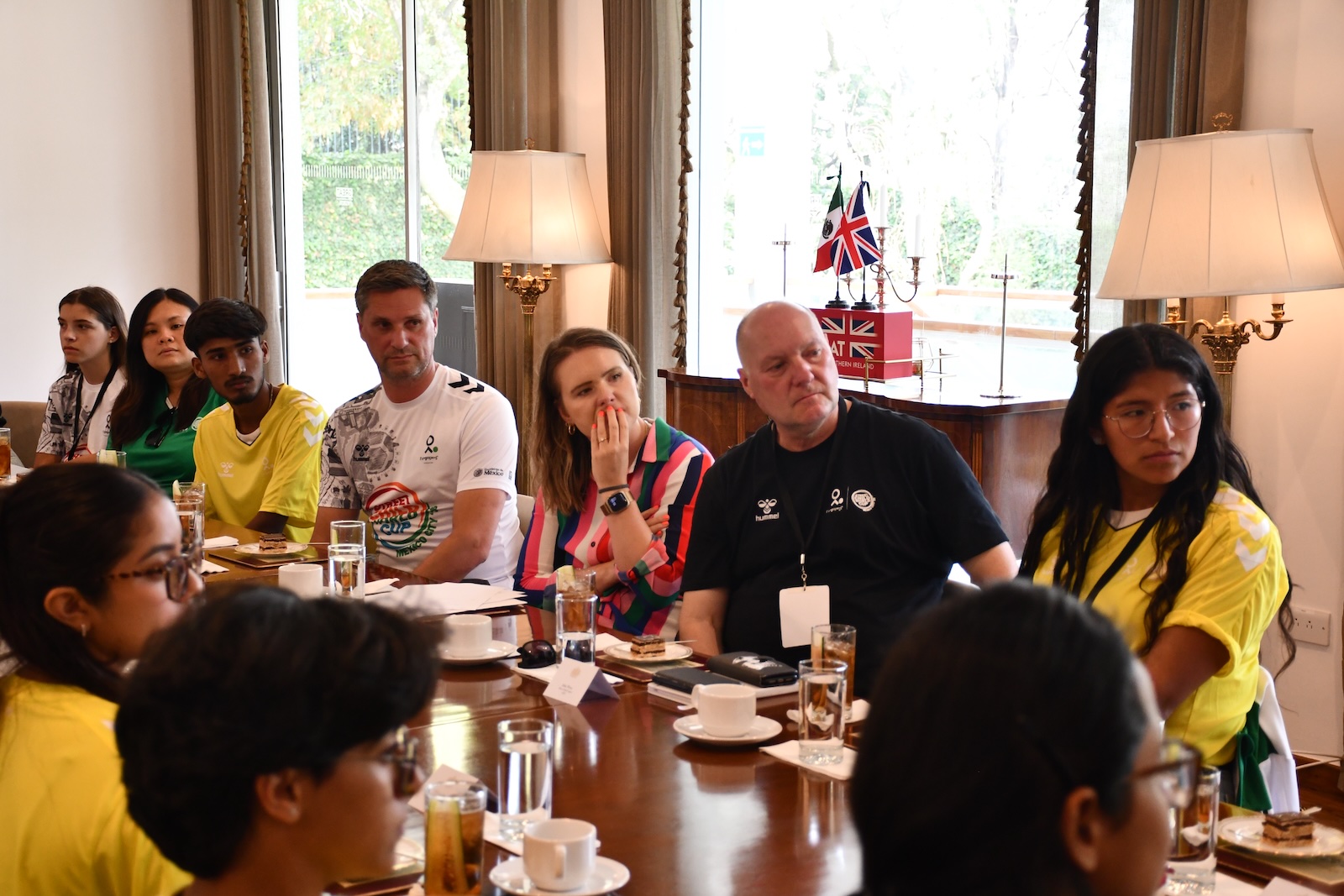
The advocacy work didn't stay inside the tournament. Our Young Leaders, eleven of them this year, from Bolivia, Hungary, Kenya, Nepal, Palestine, the UK and the USA, represented Street Child United at a roundtable hosted by the British Embassy in Mexico, chaired by Chris Elmore MP, sharing their lived experience directly with a government minister with the power to act on it.
We were also honoured to receive special recognition from UNHCR, whose CEO in Mexico told us that while they had been involved in many football events around the world, they had never seen anything quite like our unique combination of football, arts, Congress and campaigning, all strategically aligned to maximise meaningful impact.
What it means to be somebody
The United Declaration ends with words that we think say it best:
"We are resilient people. Our voices matter. We are different but united. We are not only representing our nations and our flags, but we are also representing each unique member of our teams. This is what it means to be somebody."
The Street Child World Cup may come to an end, but the advocacy it creates does not. Every declaration made in Mexico City now travels home with the young people who wrote it, into their communities, their governments, and the conversations they will keep having long after the final whistle.