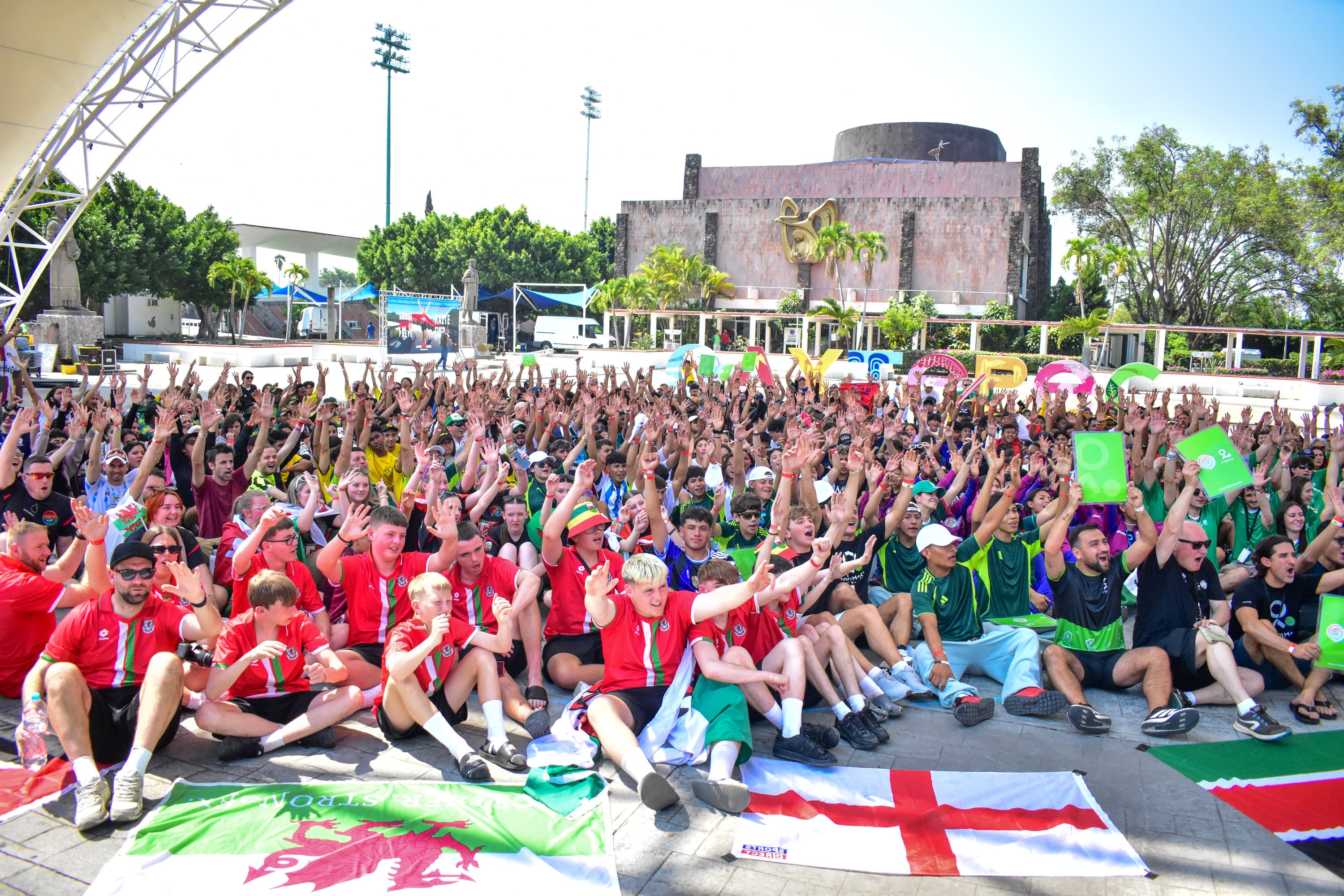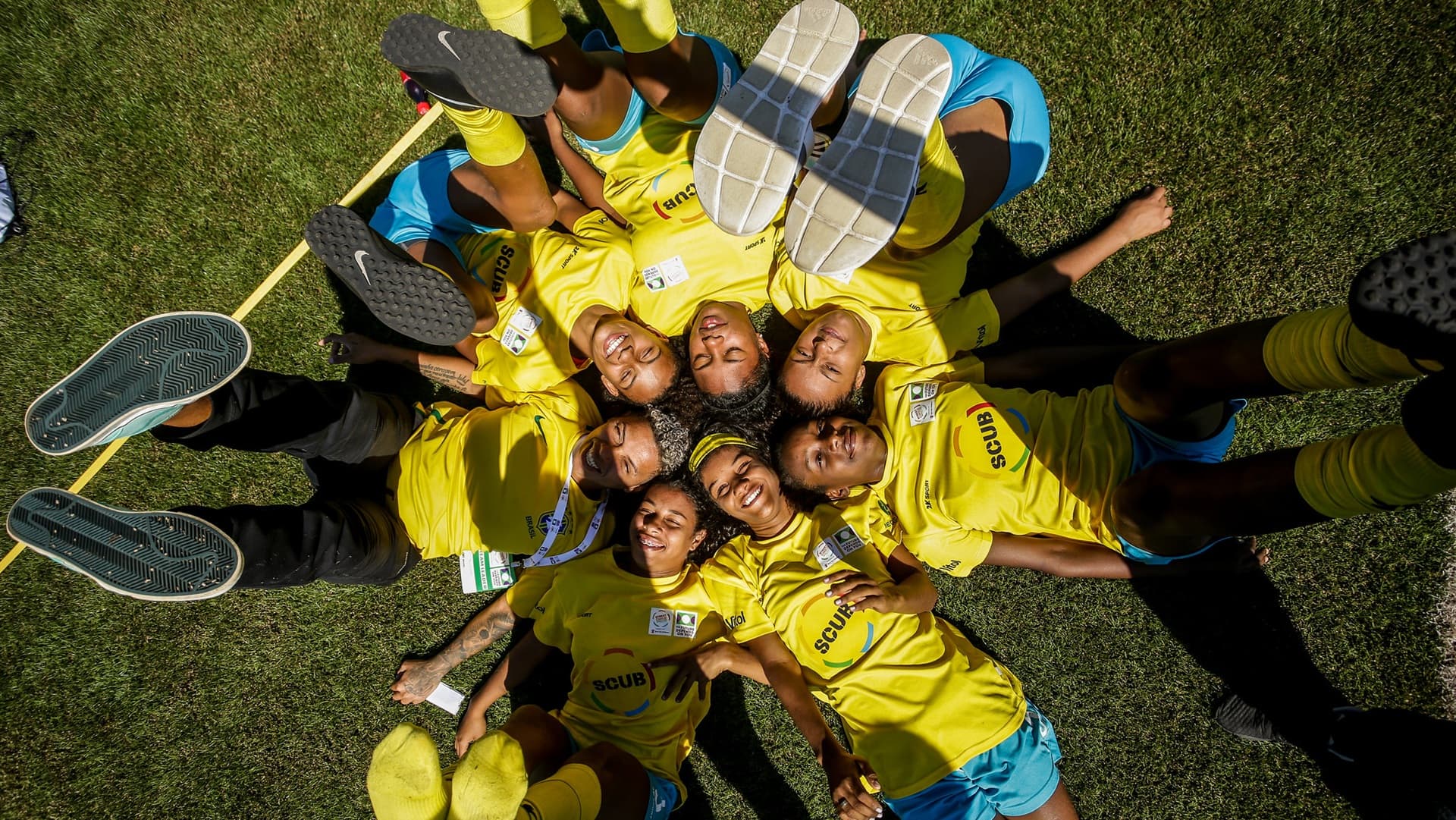
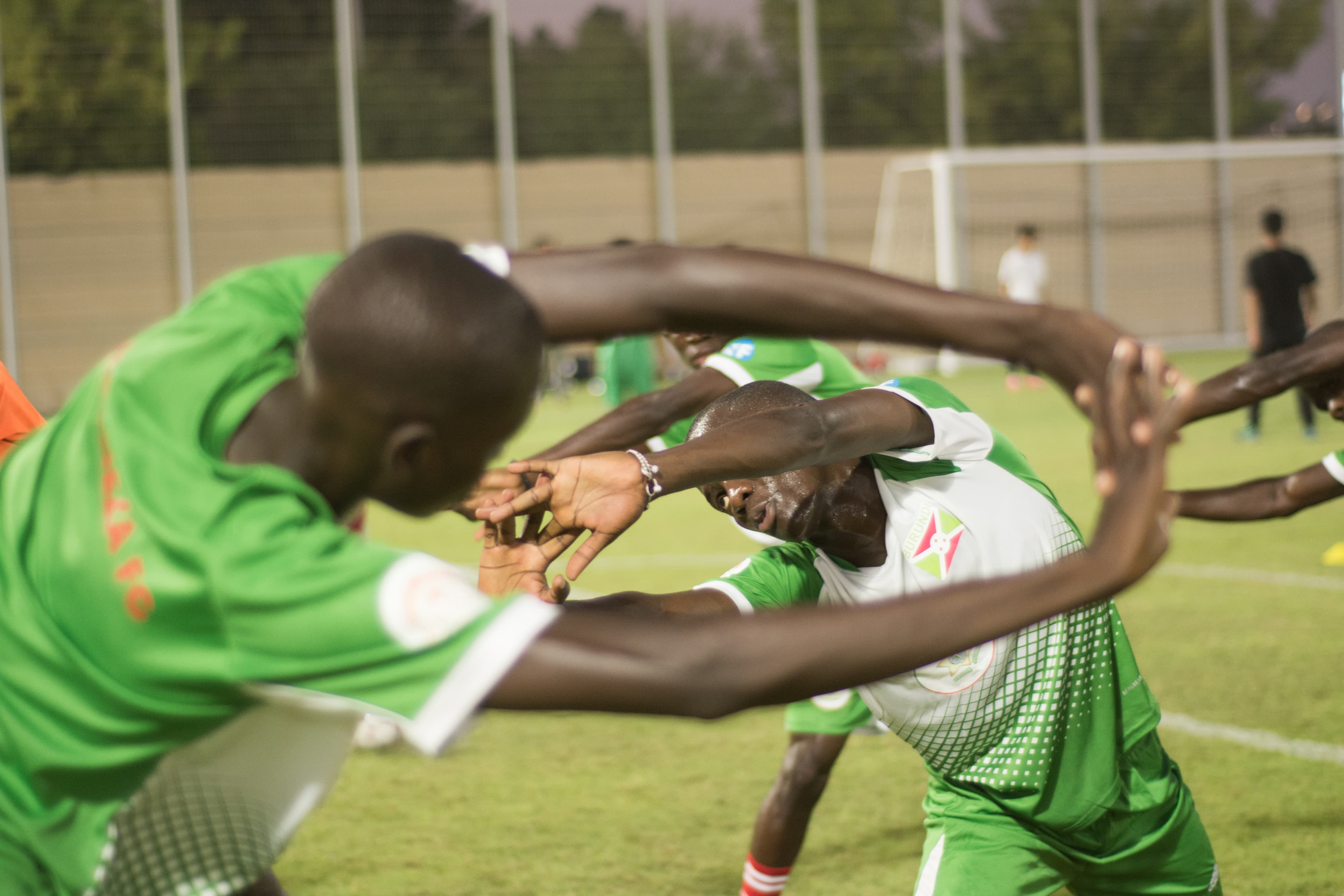
Street Child World Cup 2026 is getting closer, and the journey is picking up speed

April 22, 2026
The road to Mexico 2026 is taking shape

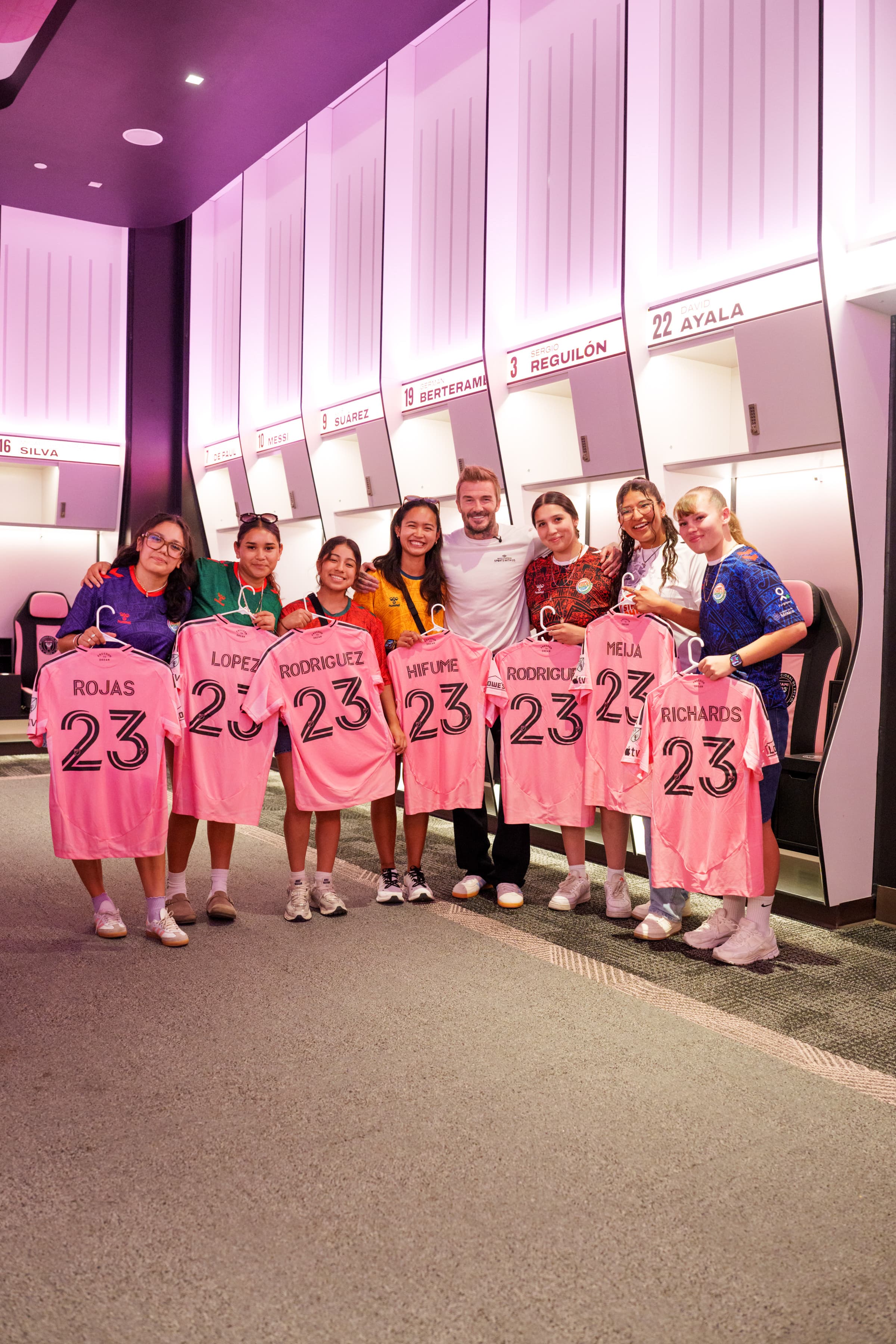
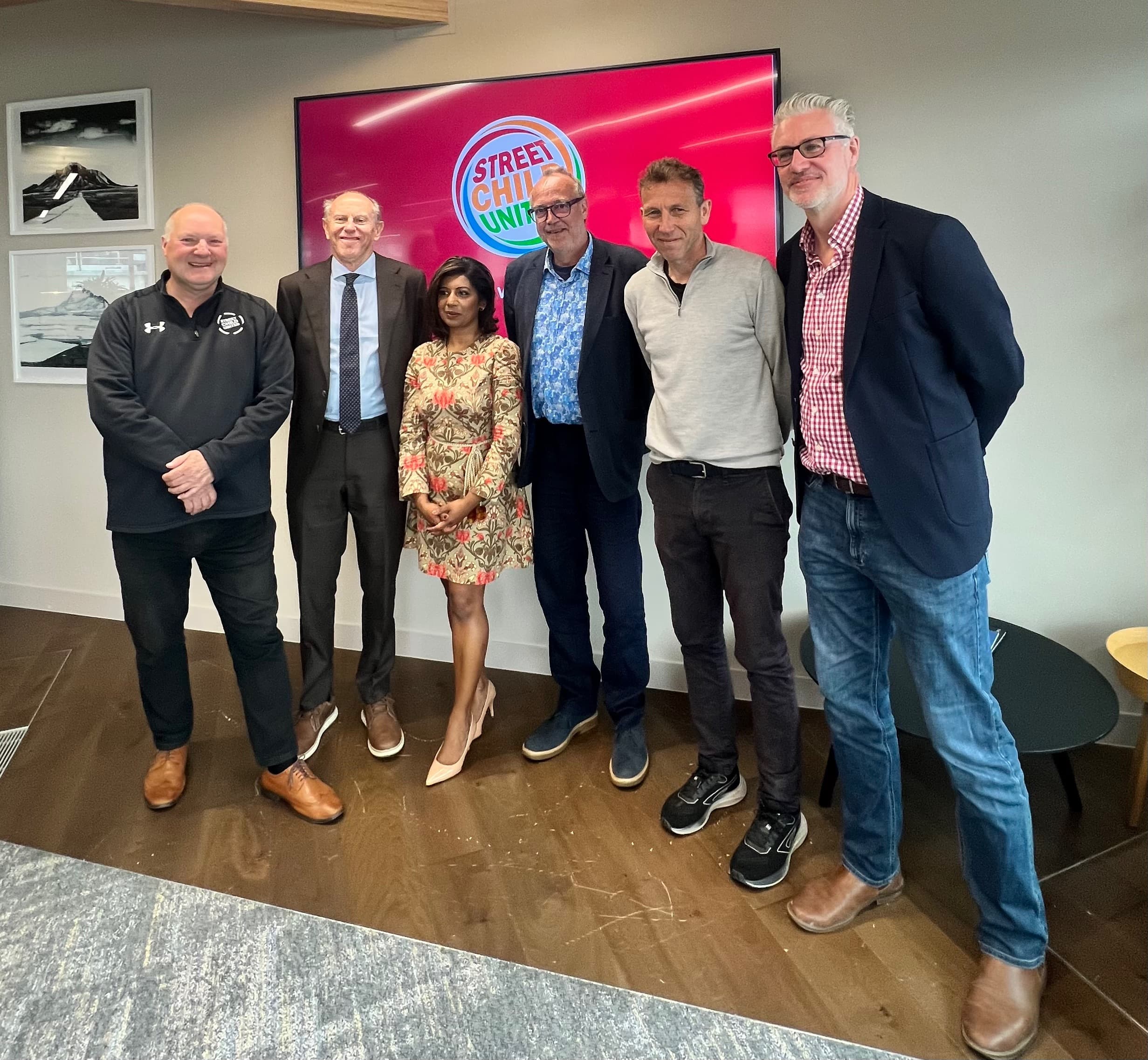
I’ve just come back from a whirlwind trip across North America. Mexico City, Los Angeles, Seattle, and New York. It was busy, full on, and very encouraging. I spent time with supporters and partners at every stop, and I came away feeling even more certain that Mexico 2026 is gathering real momentum.

We are not just thinking about 2026 either. We’re already looking ahead to the Street Child Olympics in 2028, and then to activity around the Women’s World Cup in Mexico and the USA in 2031. That means our work in the United States has become a real priority and building a US Street Child United entity is an important step. I’m grateful to Scott Lewis, who has led that work brilliantly, with pro bono technical support from the wonderful team at Foley & Lardner. Scott also travelled with me, which made a huge difference as we worked to close the immediate funding gap for Street Child World Cup 2026.


Another unexpected highlight came thanks to Scott. He arranged for me to be interviewed on the Opening Bell show at the New York Stock Exchange, broadcast to an audience of around 50 million people.
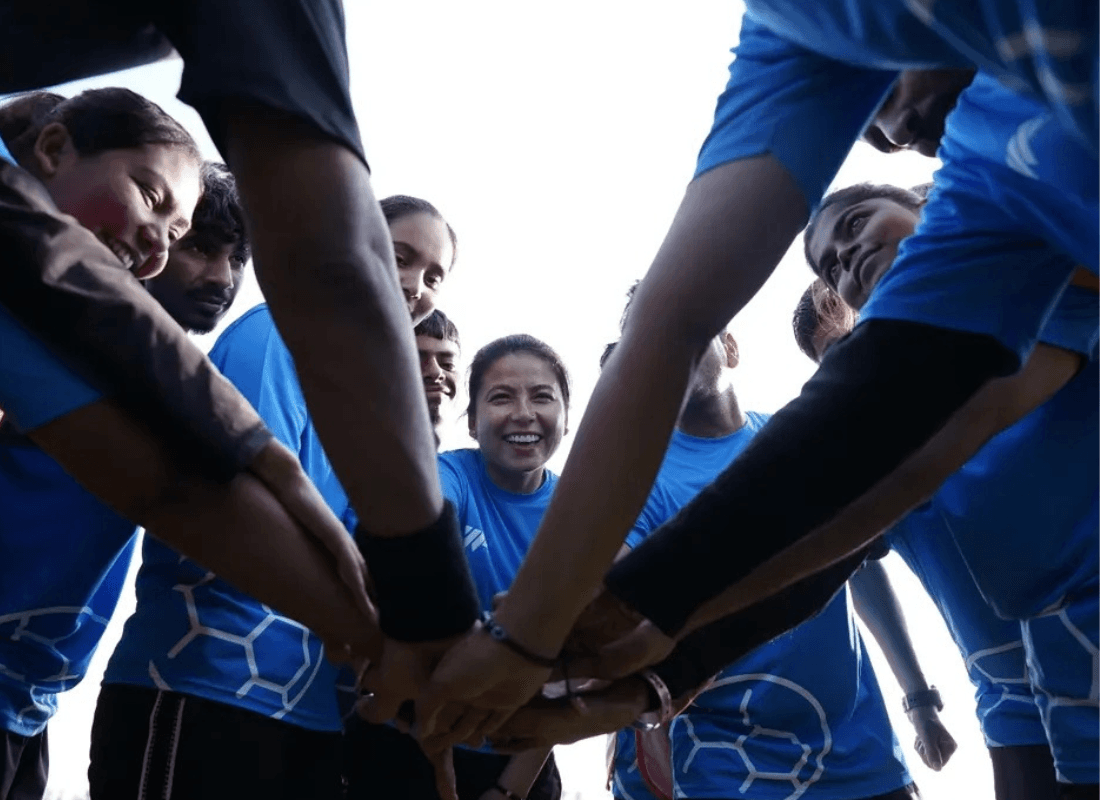
It was a powerful opportunity to share our vision for Mexico 2026. And it really does feel that the world is conspiring with us to make it happen.
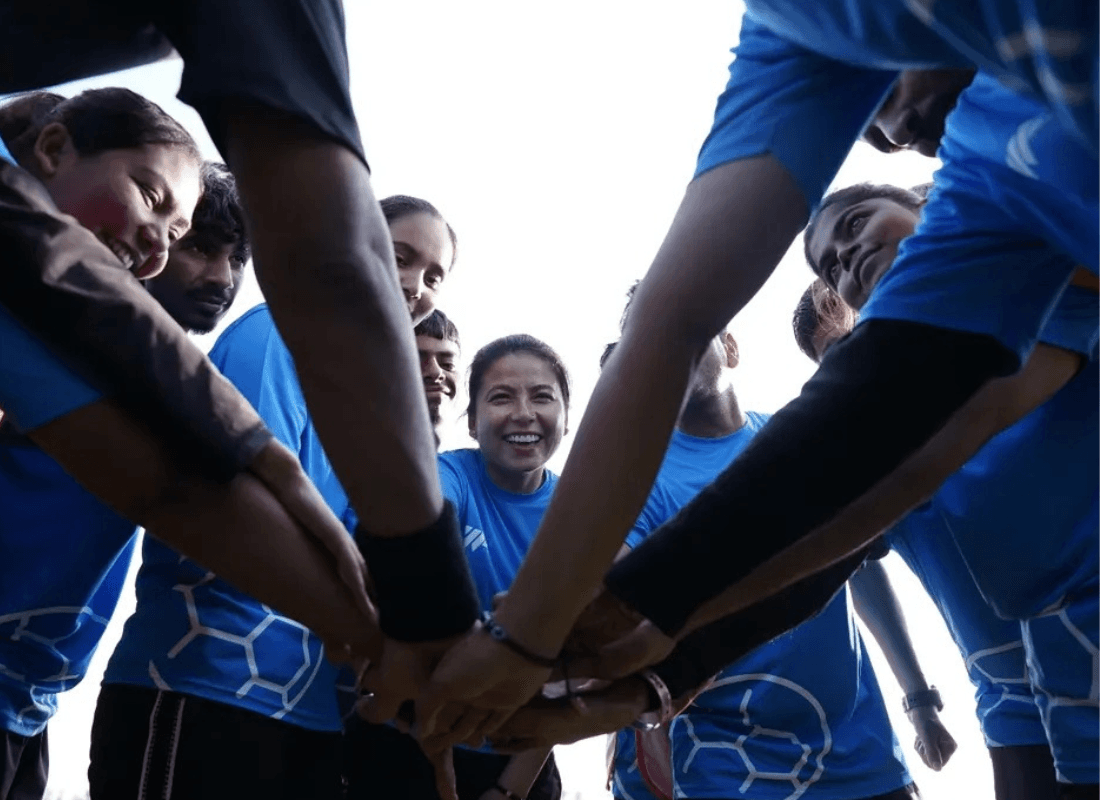
Fútbol Más and the idea of the green card

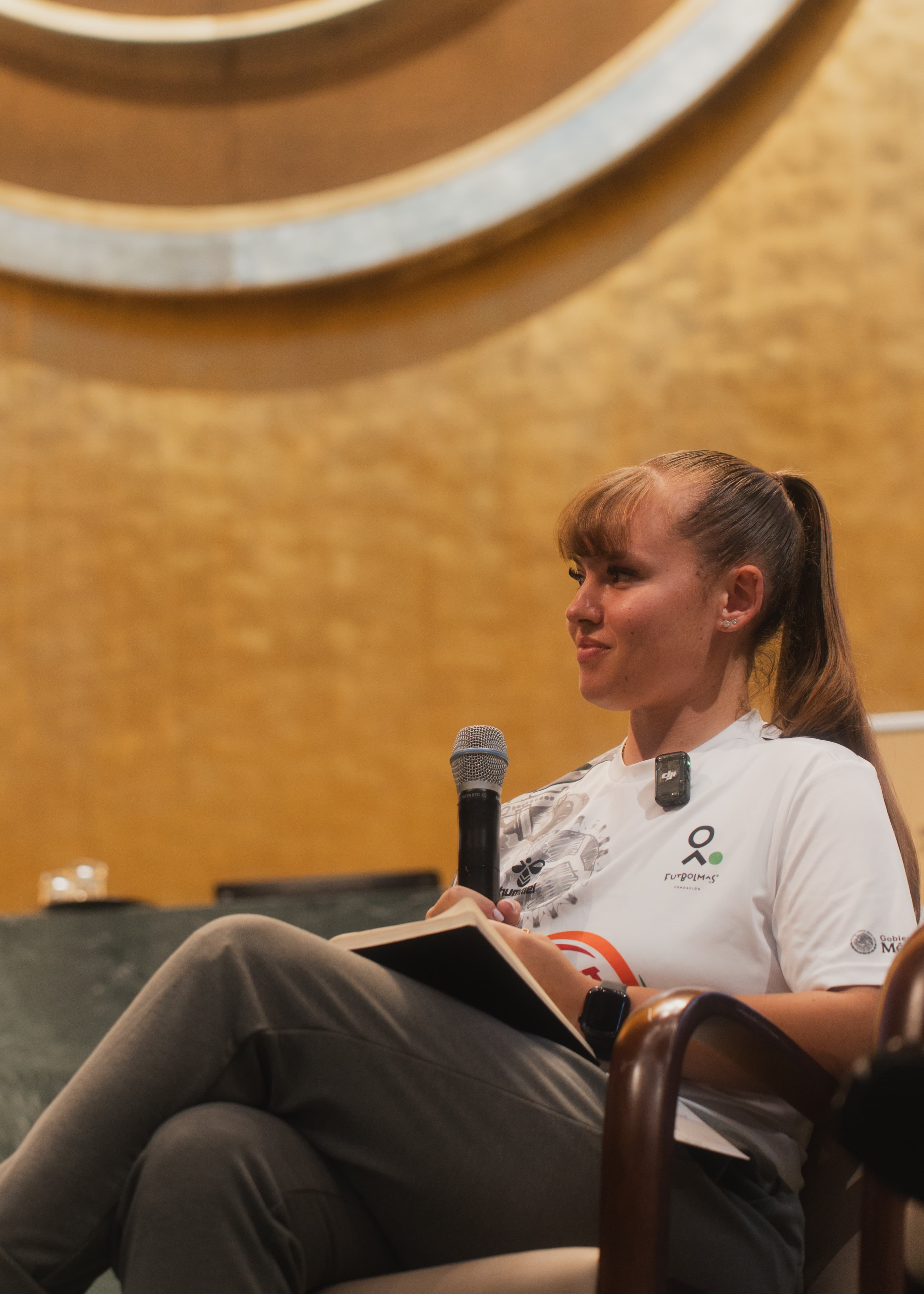
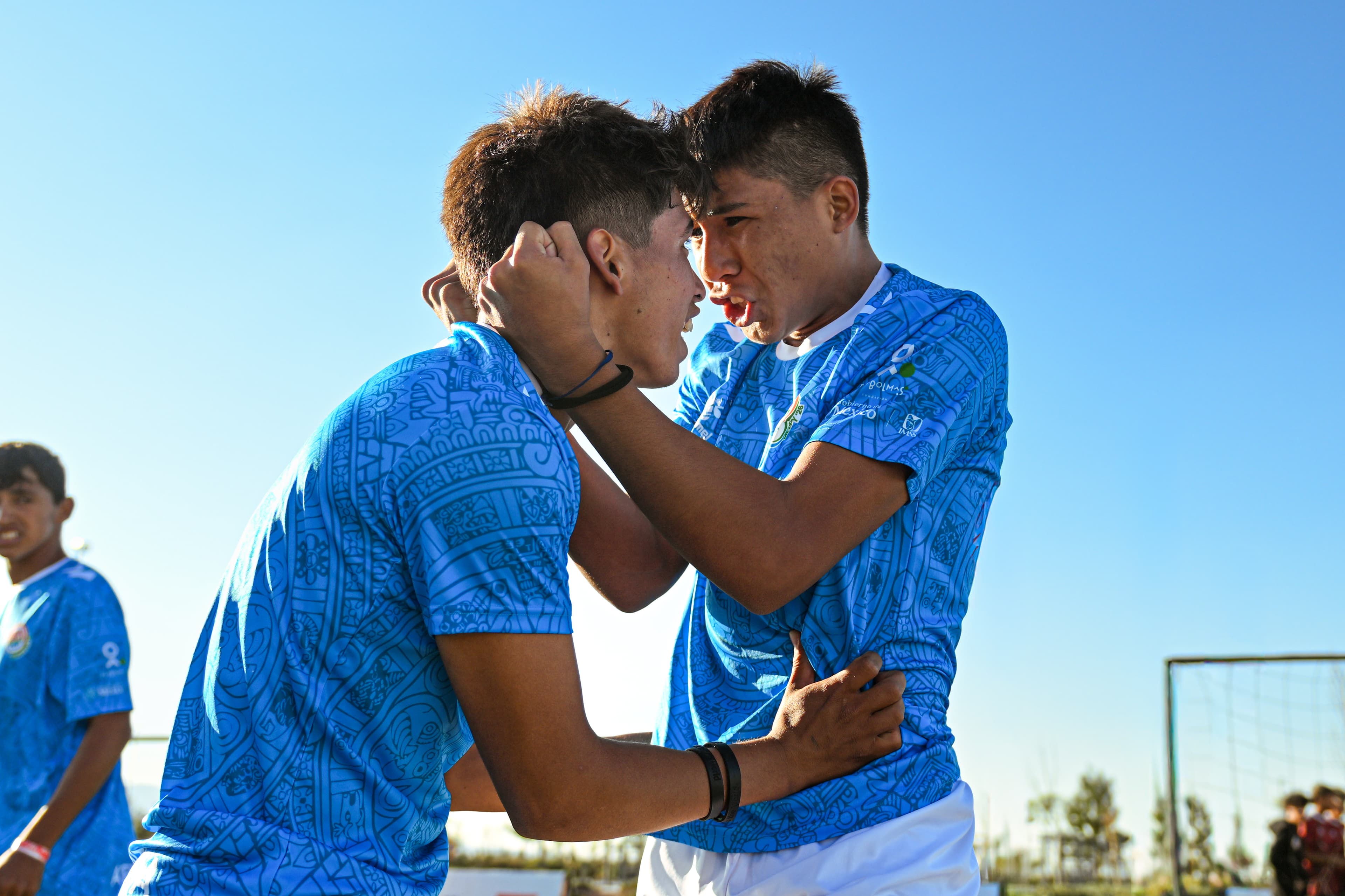
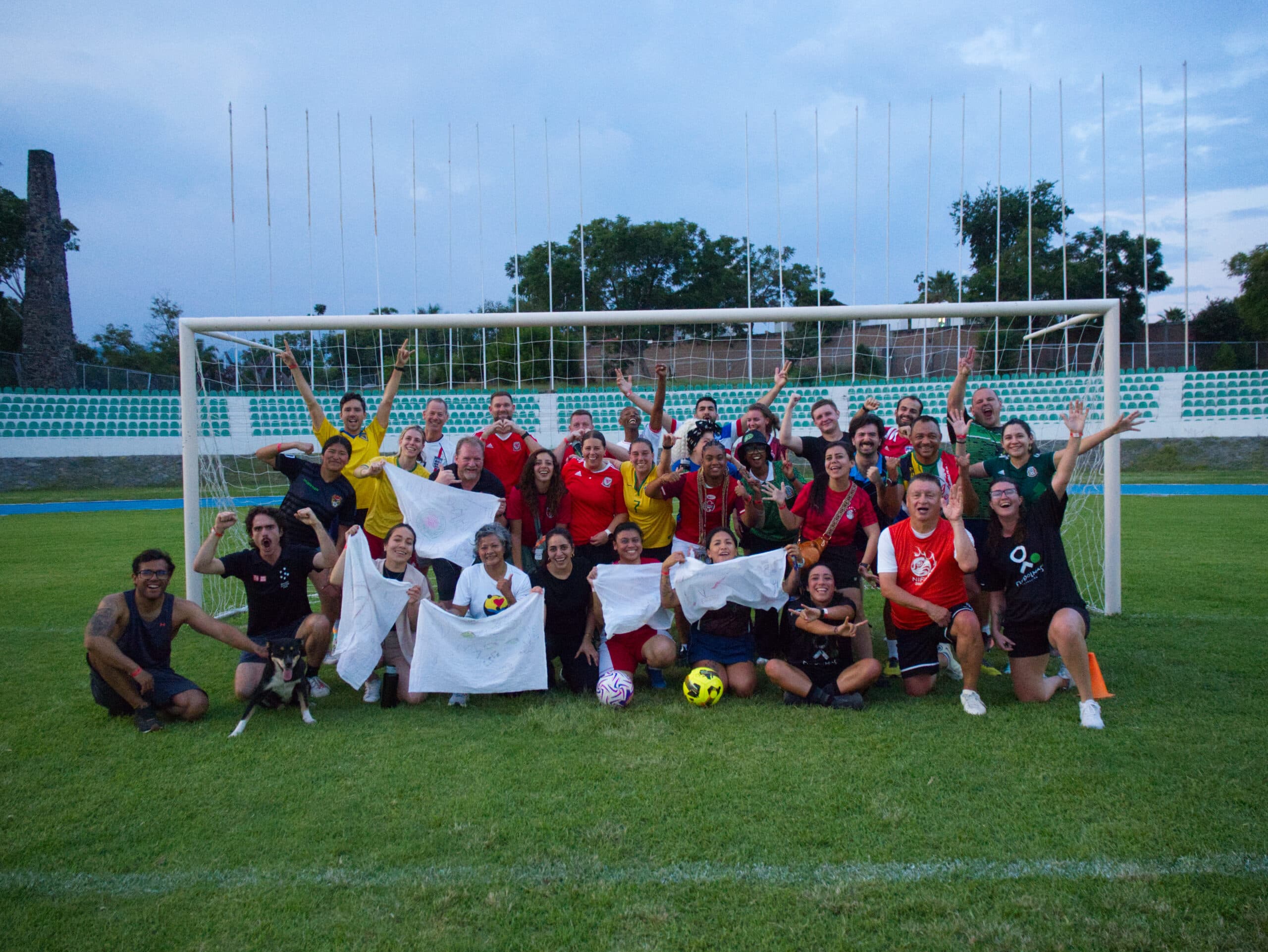
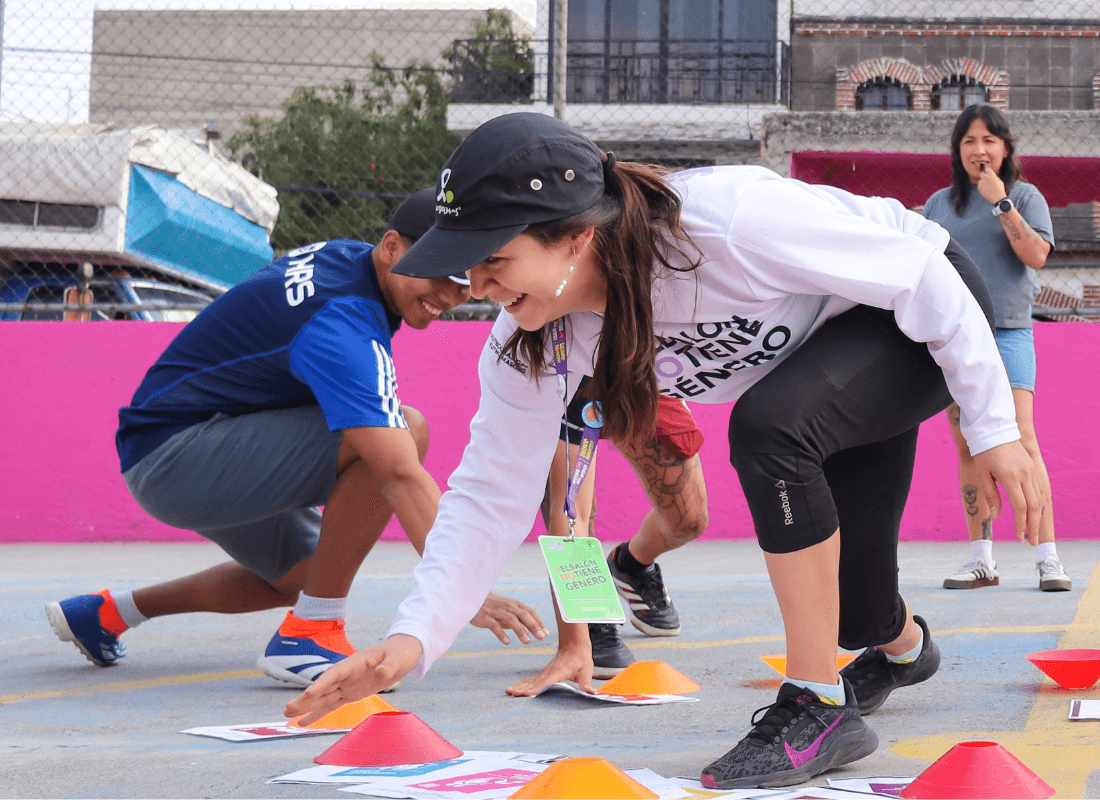
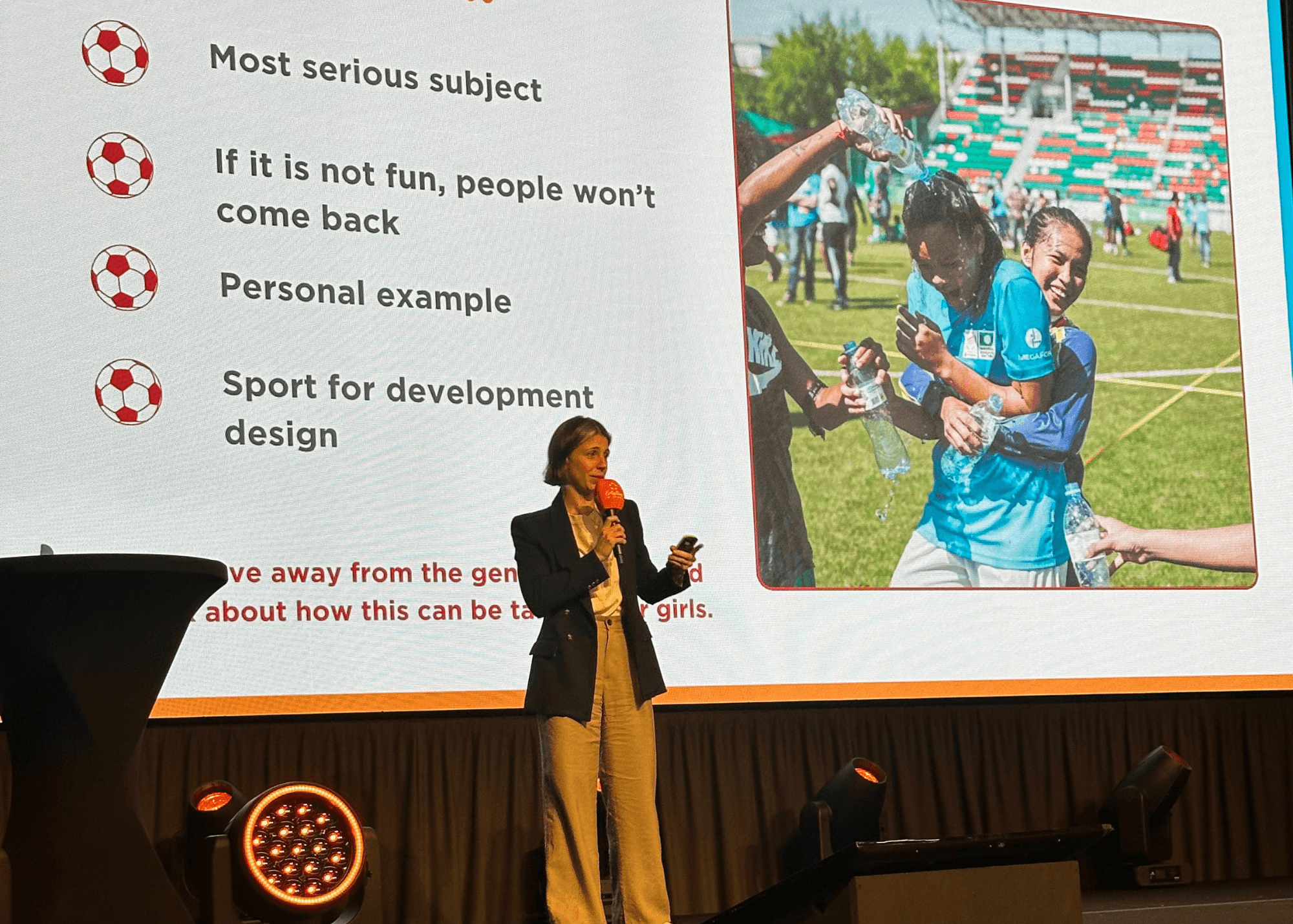
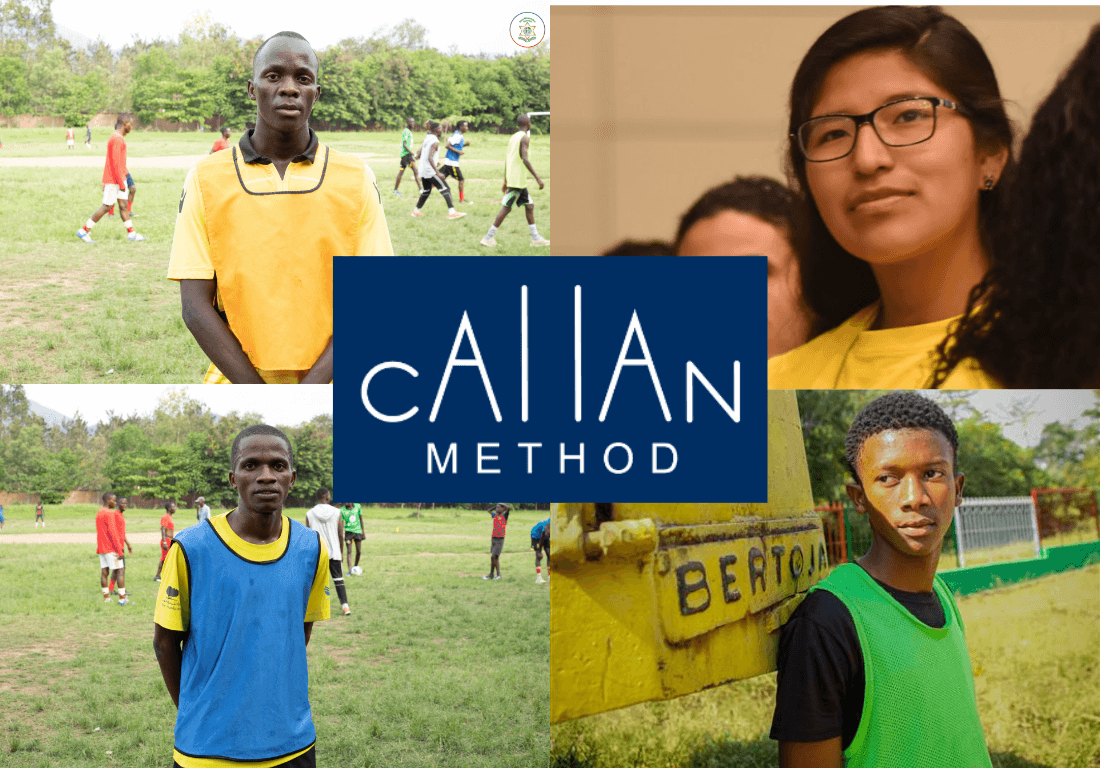
One of the real highlights was time in Mexico with our partner for the Street Child World Cup 2026, Fútbol Más. They have years of experience working with disadvantaged young people across Latin America, and see football as more than a sport. They use it as a way to build confidence, connection, and social change. Every time I’m with the Fútbol Más team, I’m struck by their commitment, their thoughtfulness, and their deep care for others. They also brought me back to one of my favourite innovations in the whole movement:
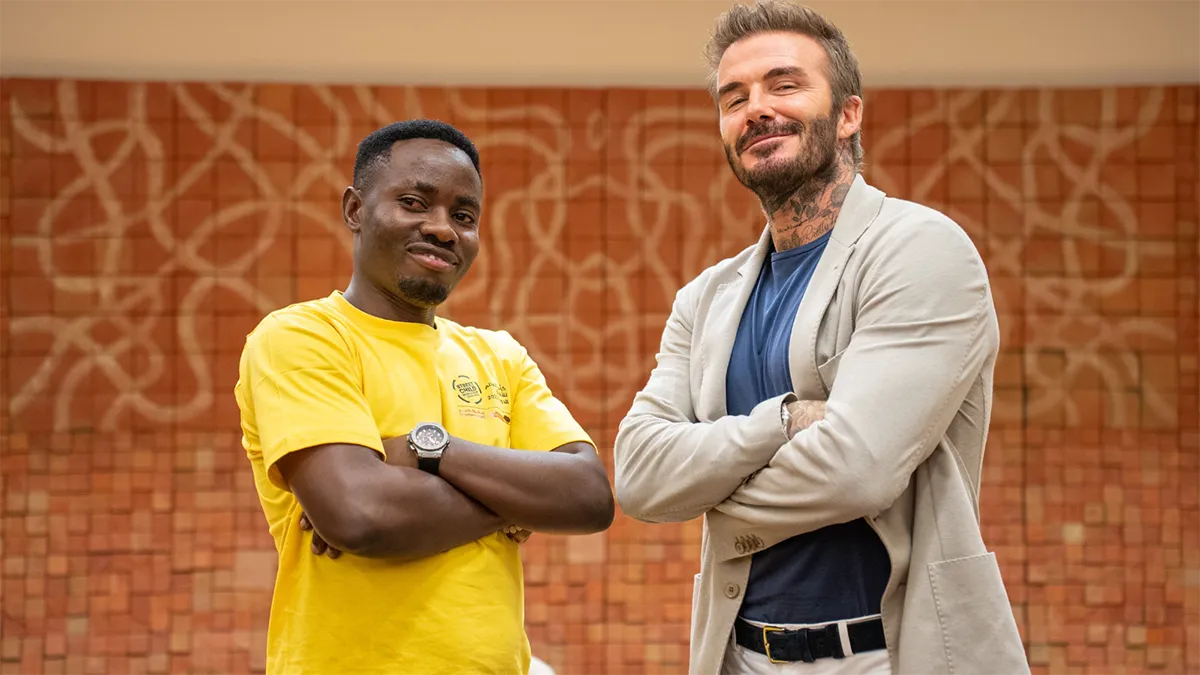
The green card.

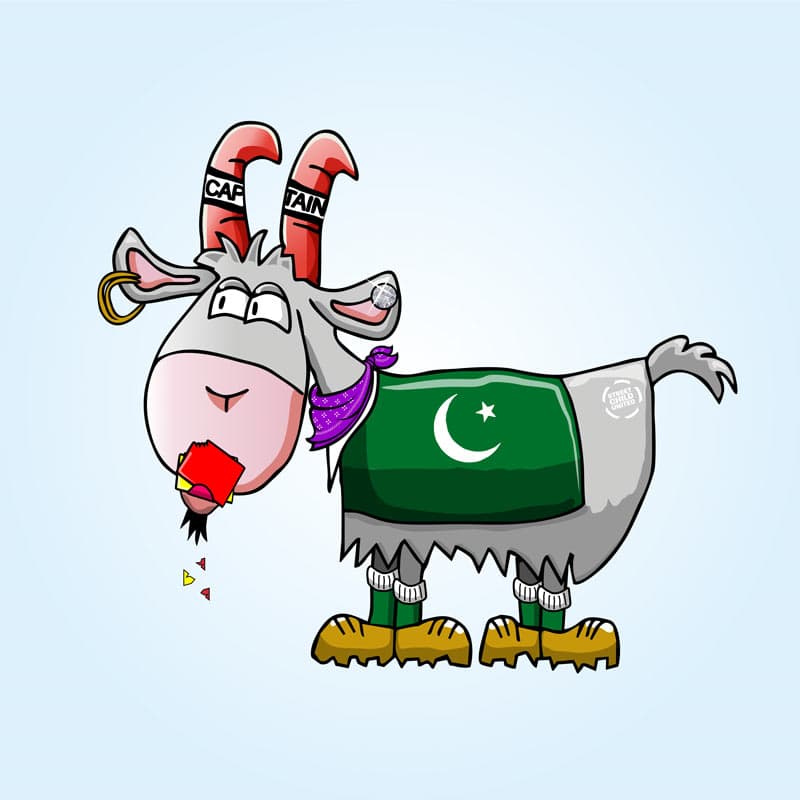
It’s a simple, yet profound shift. Celebrating what’s right, not just penalising what’s wrong. Unlike the traditional red and yellow cards, the green card recognises fair play, sportsmanship and positive behaviour on the pitch. It goes a long way in adding to their sense of identity, giving young people that moment of being seen and valued for who they are. We’re excited to incorporate the green card into Street Child World Cup matches moving forward.

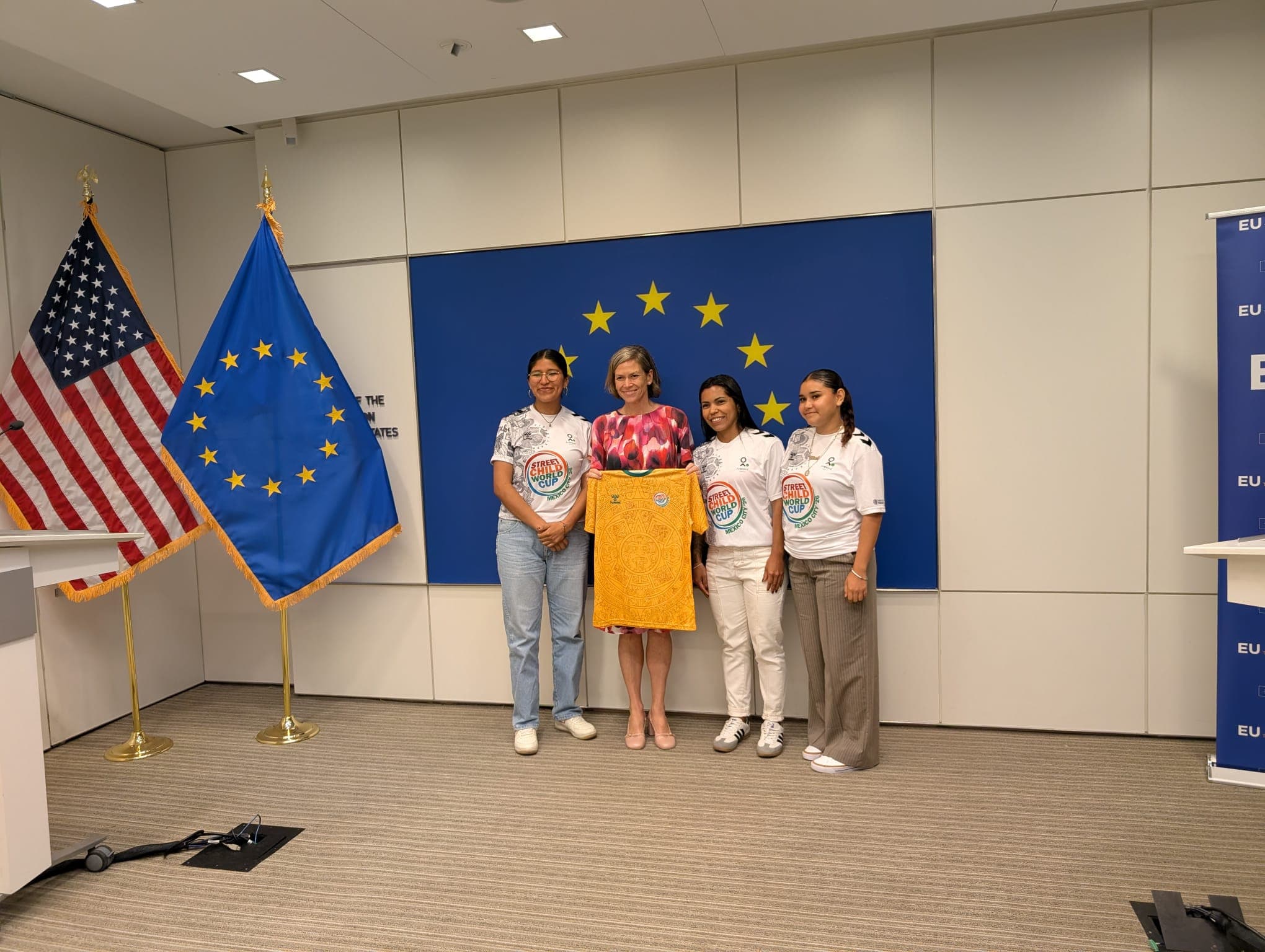
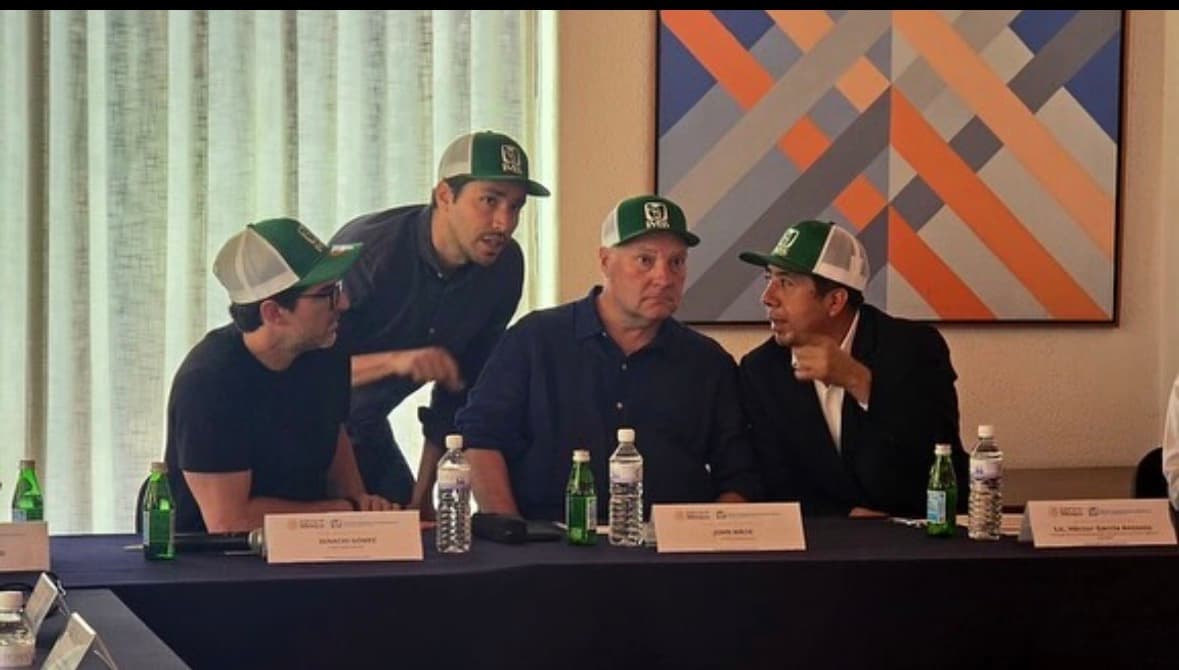
In Mexico City, it was also great to reconnect with our friends at the British Embassy. They continue to play an invaluable role, opening doors, making introductions, and hosting our local advisory group, whose final meeting takes place next week.

Shosholoza, a reminder of how far we’ve come

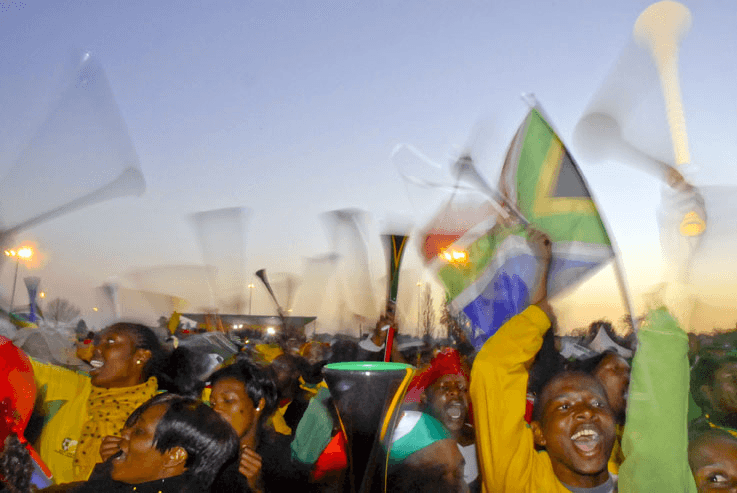
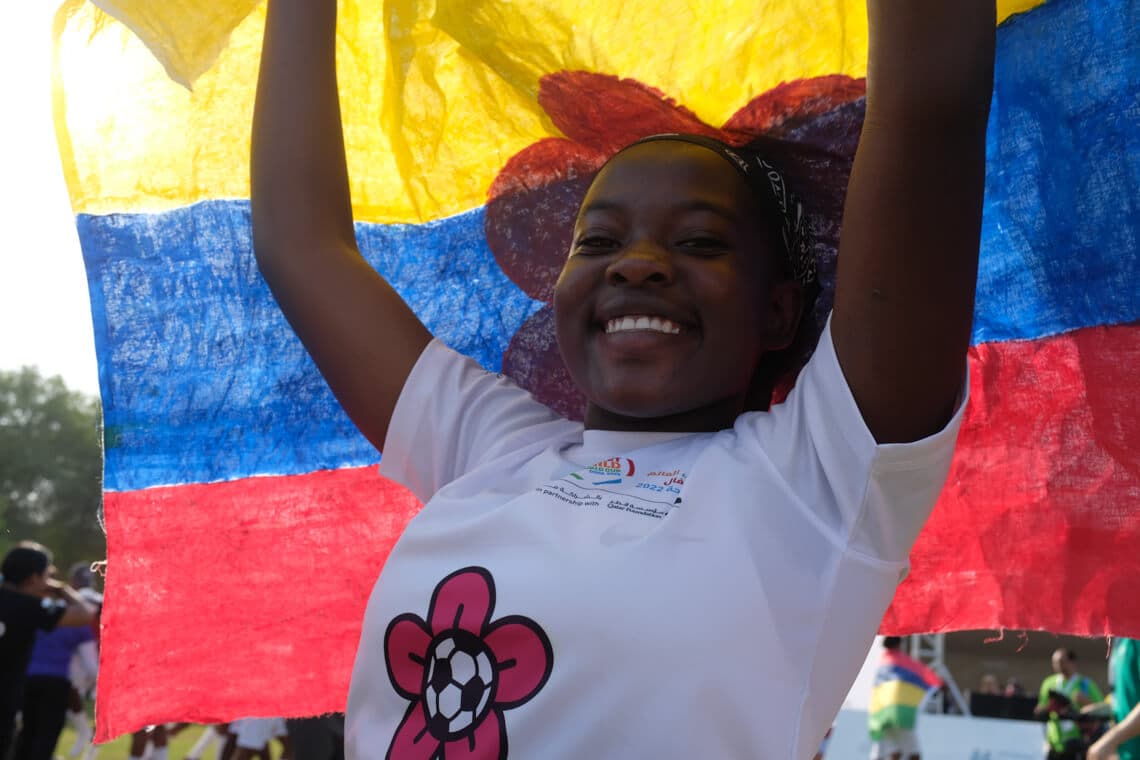
One of the most moving moments came through a video sent by our partners in Cape Town. The team was preparing for Mexico 2026, singing Shosholoza, a song deeply woven into South African history and, for us, into the story of Street Child United.

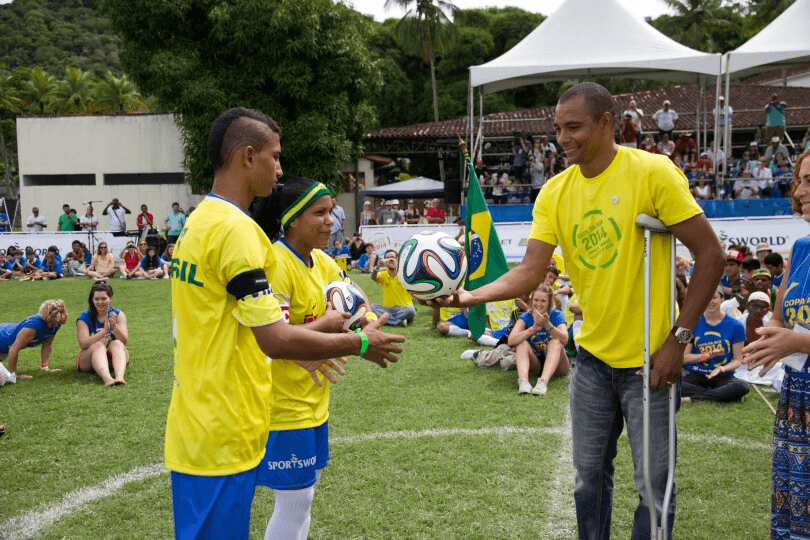
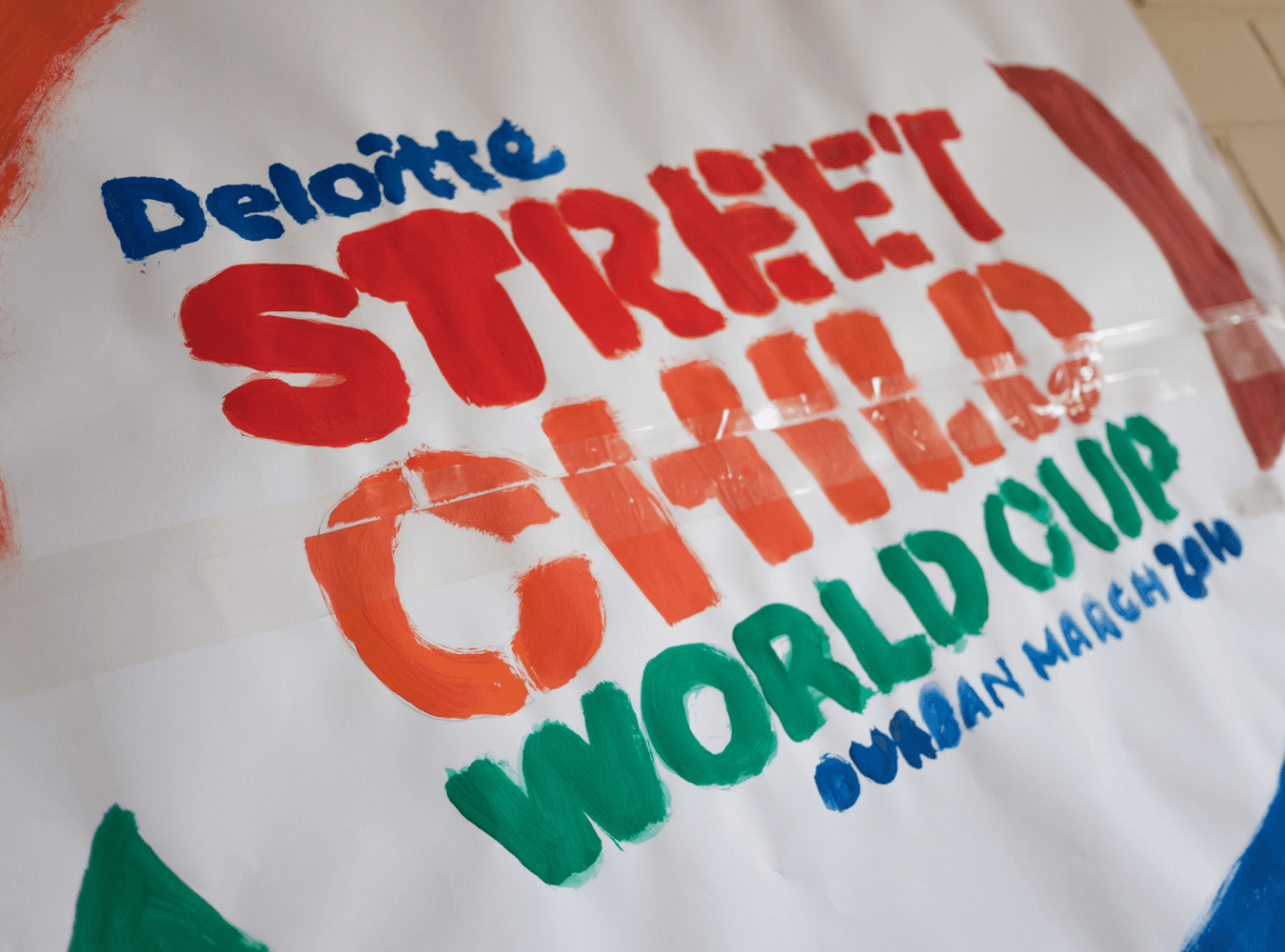
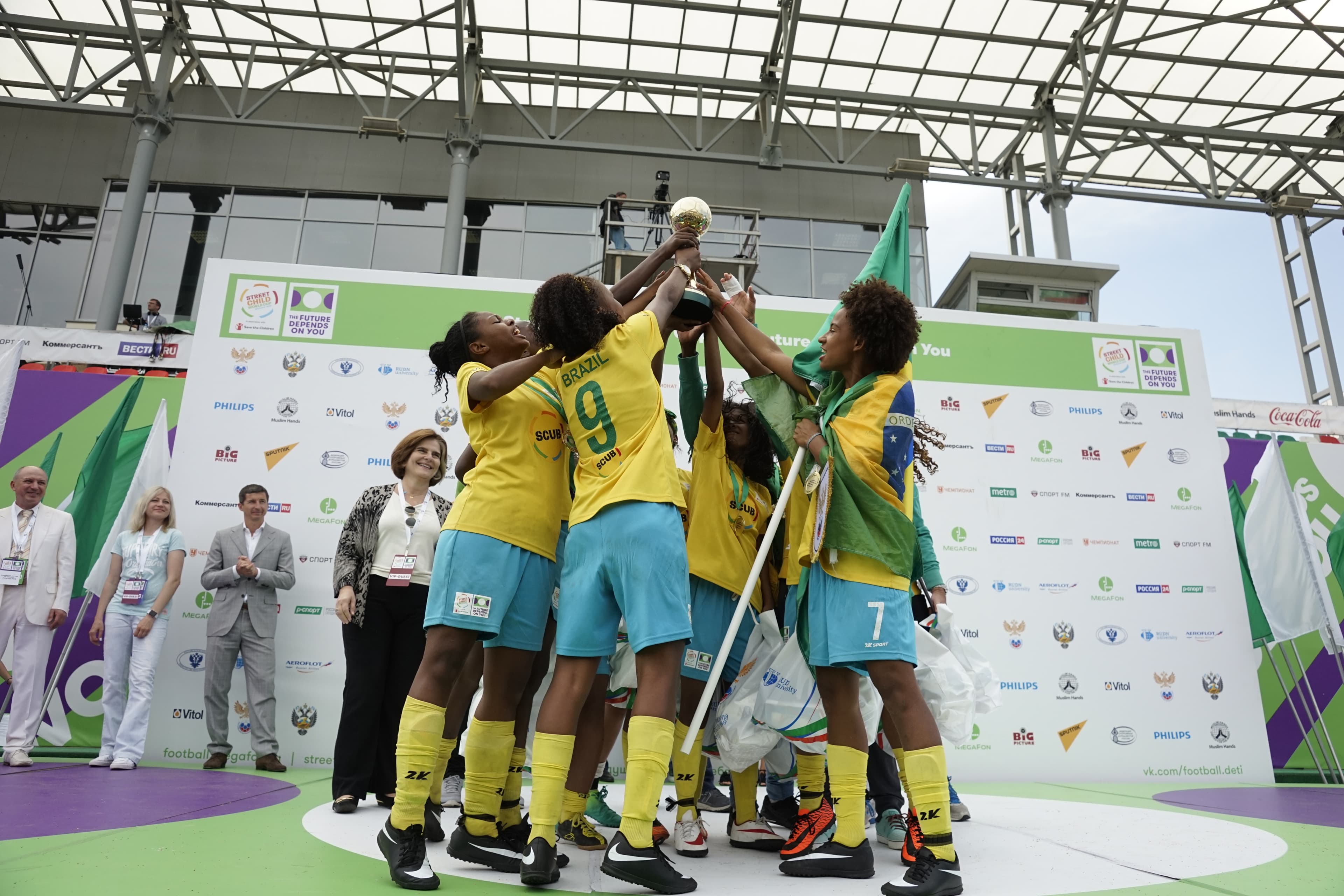
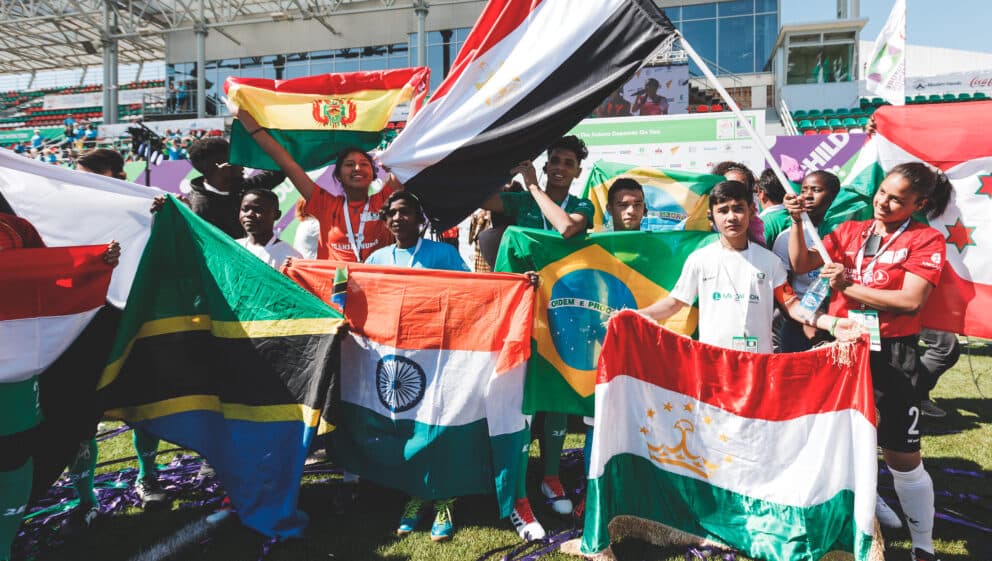
It took me back to March 2010, just days before the first-ever Street Child World Cup in Durban. Brazil had arrived early, and local South African young people welcomed them off the bus, singing Shosholoza. Days later, when the Ukraine team arrived, the South Africans and Brazilians welcomed them in the same way, and then those teams welcomed others. It became a chain of unity.

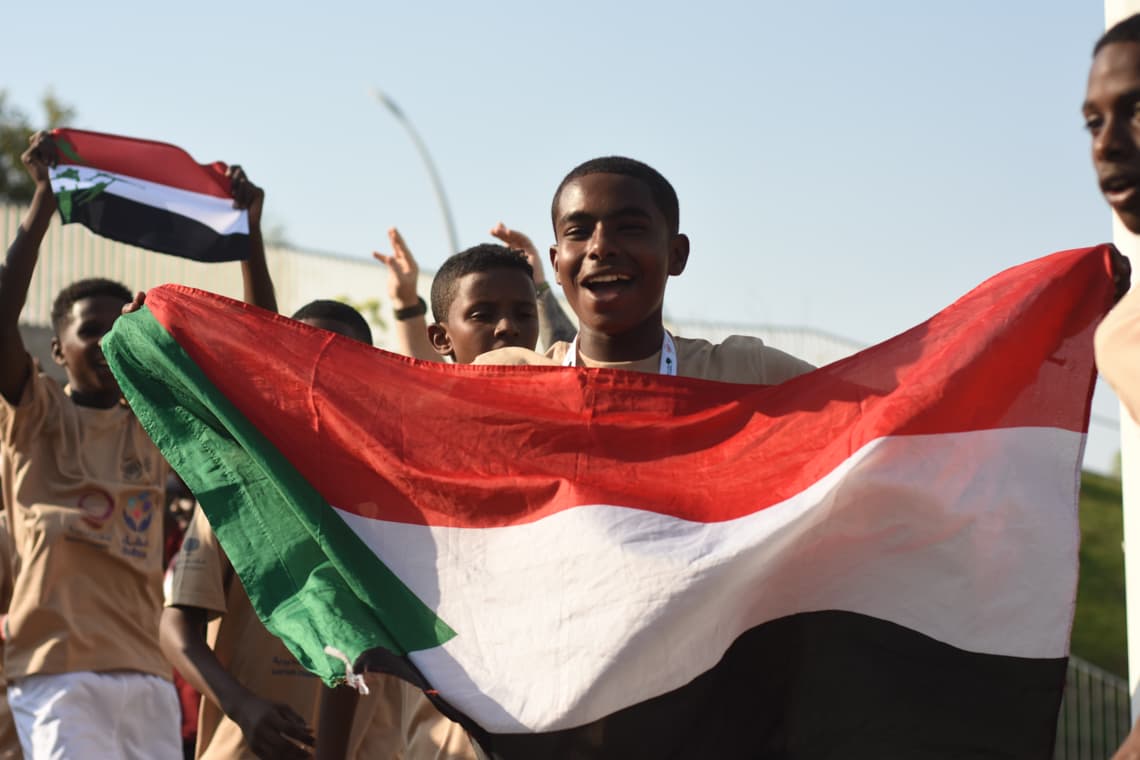
Hearing that same song again, sung by a new generation preparing for 2026, brought me to tears. Shosholoza is an Ndebele word that literally means “go forward”. It’s a song about miners on a steam train, carrying a message of hope, solidarity, and unstoppable progress.

It’s a reminder of how far we’ve come, and how powerful these shared moments can be.

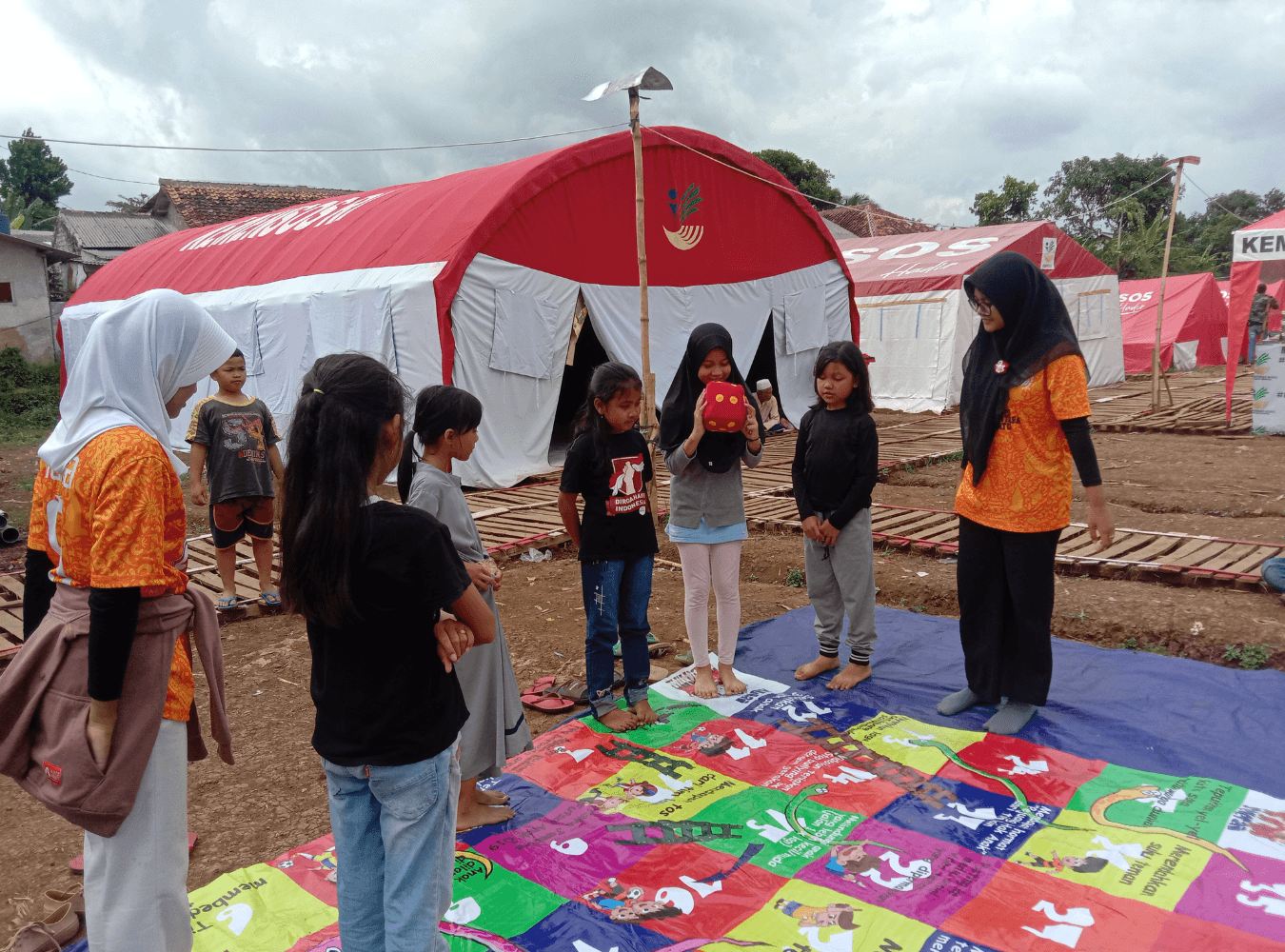
A photo from the first Street Child World Cup in Durban South Africa in 2010.
Congress, the heartbeat of what we do

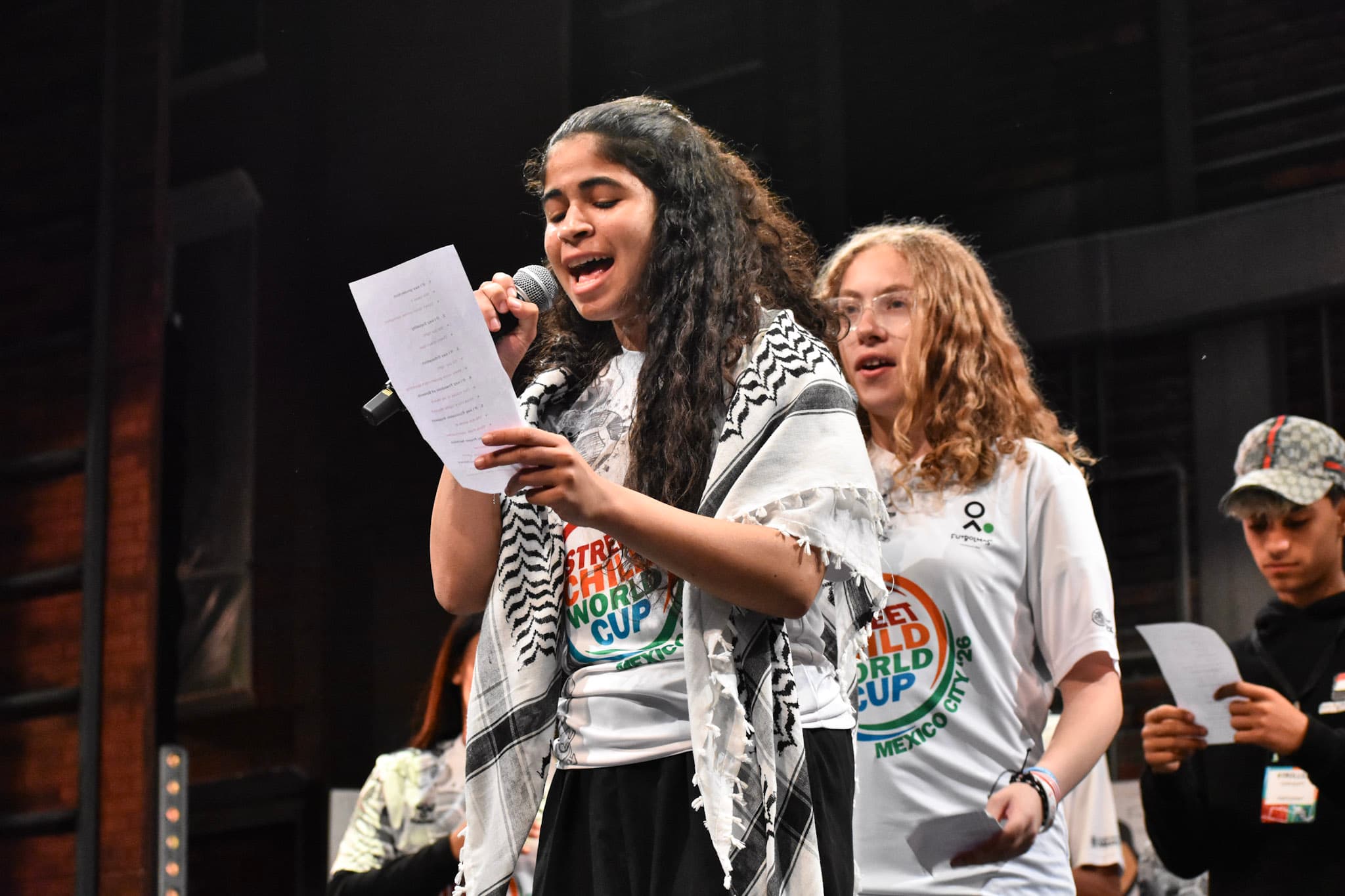
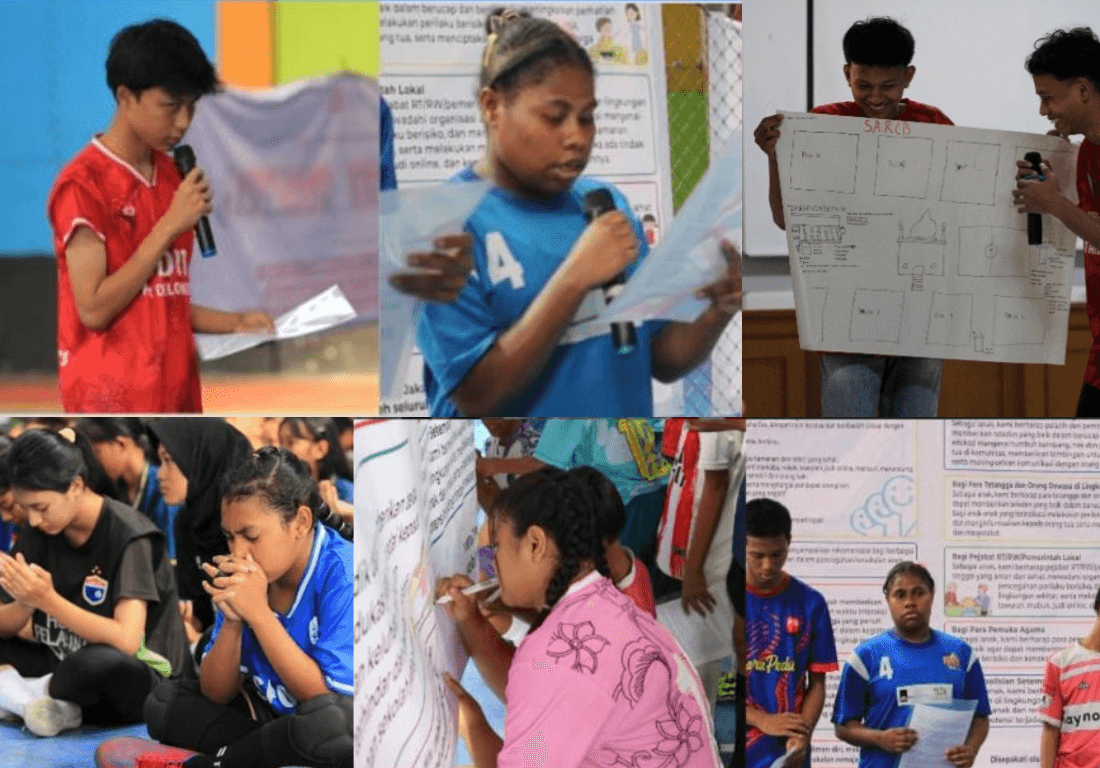
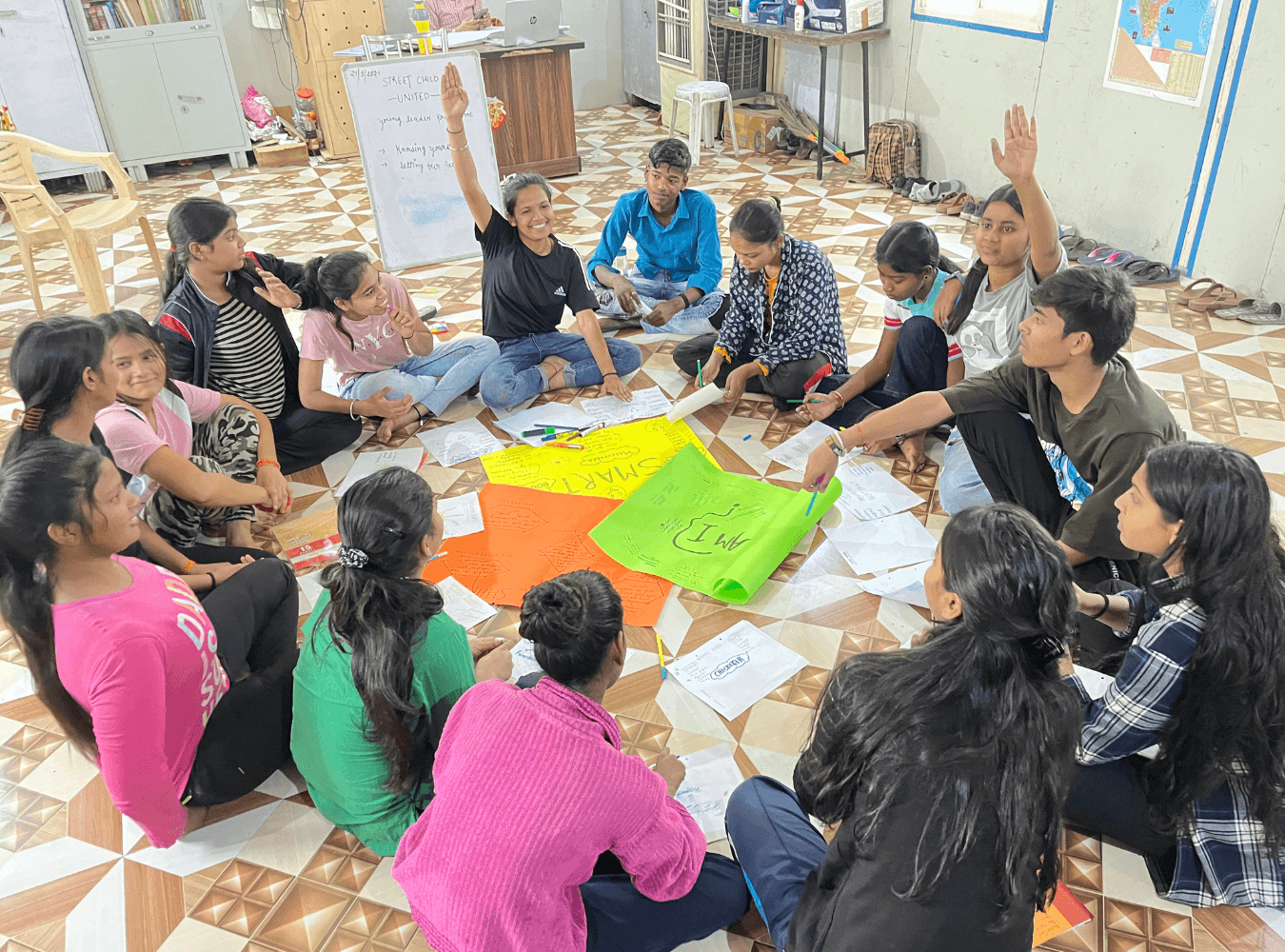
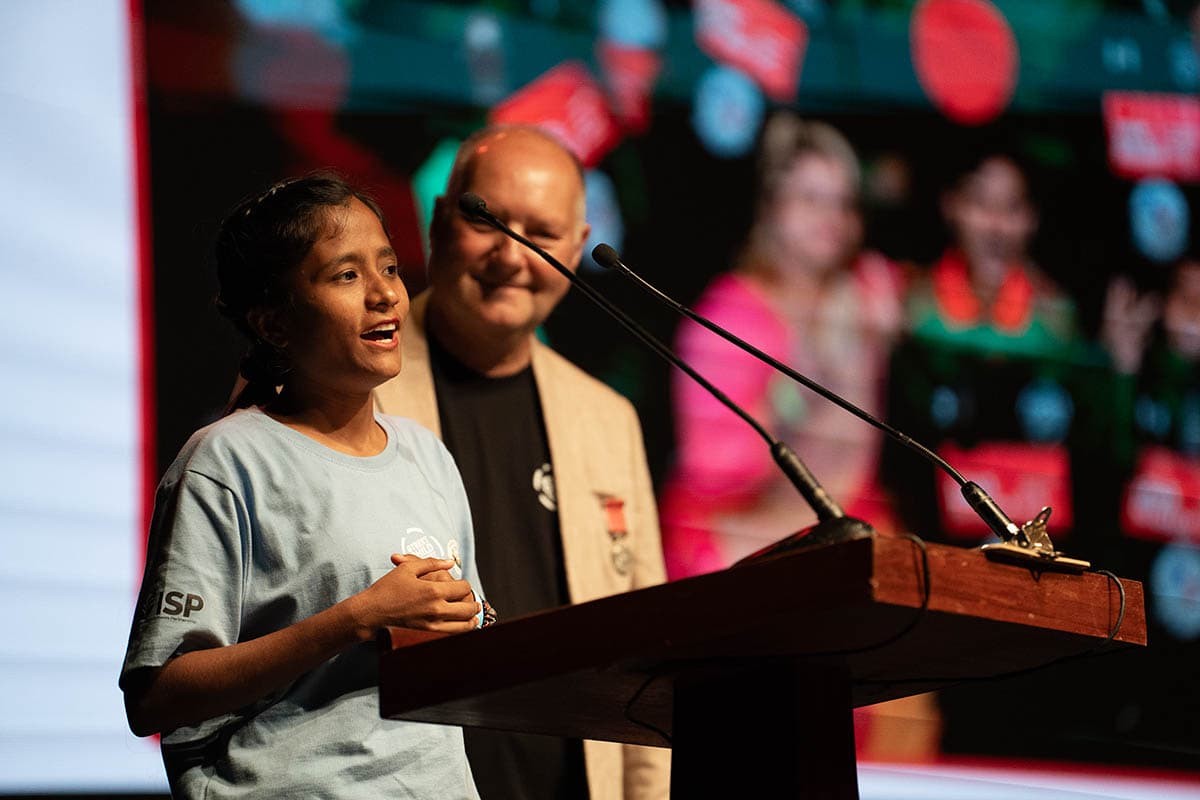
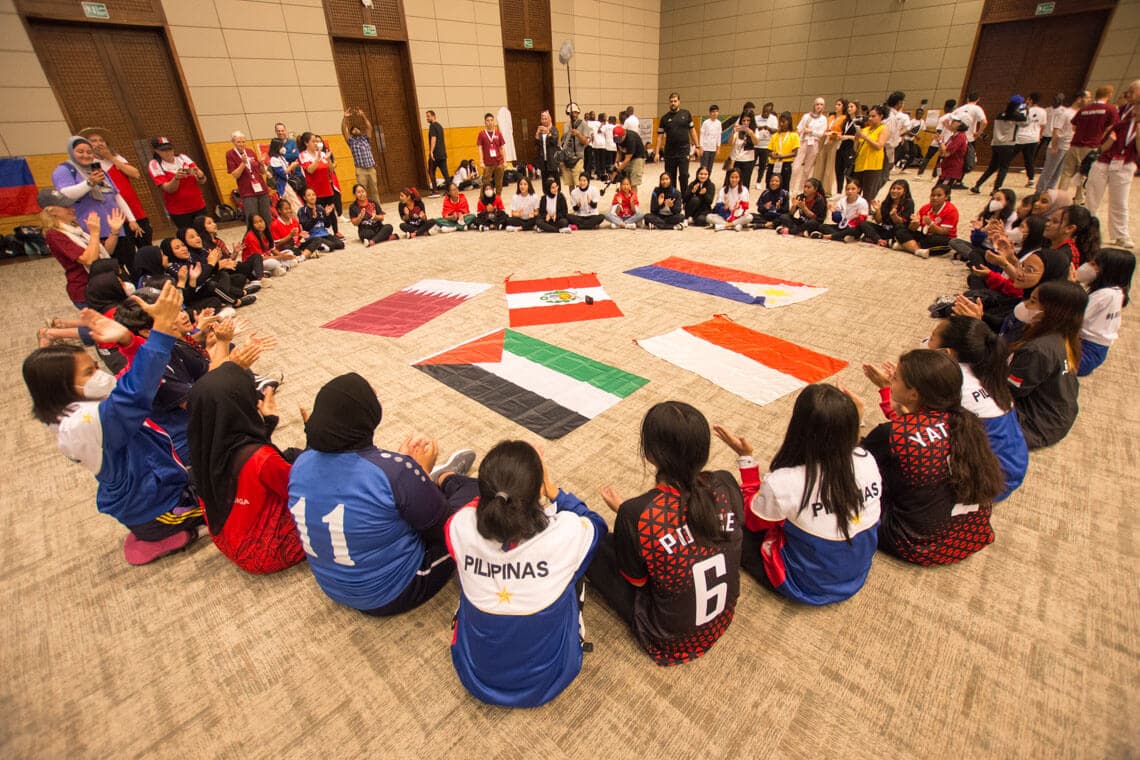
Those shared moments of unity are what make this movement possible. That’s also why I caught up with Lerato, now in New Zealand, who is leading the Congress sessions for Mexico 2026. The Congress is the heartbeat of the Street Child World Cup. It’s a safe space where young people speak about the changes they want to see:

• Access to identity

• Education

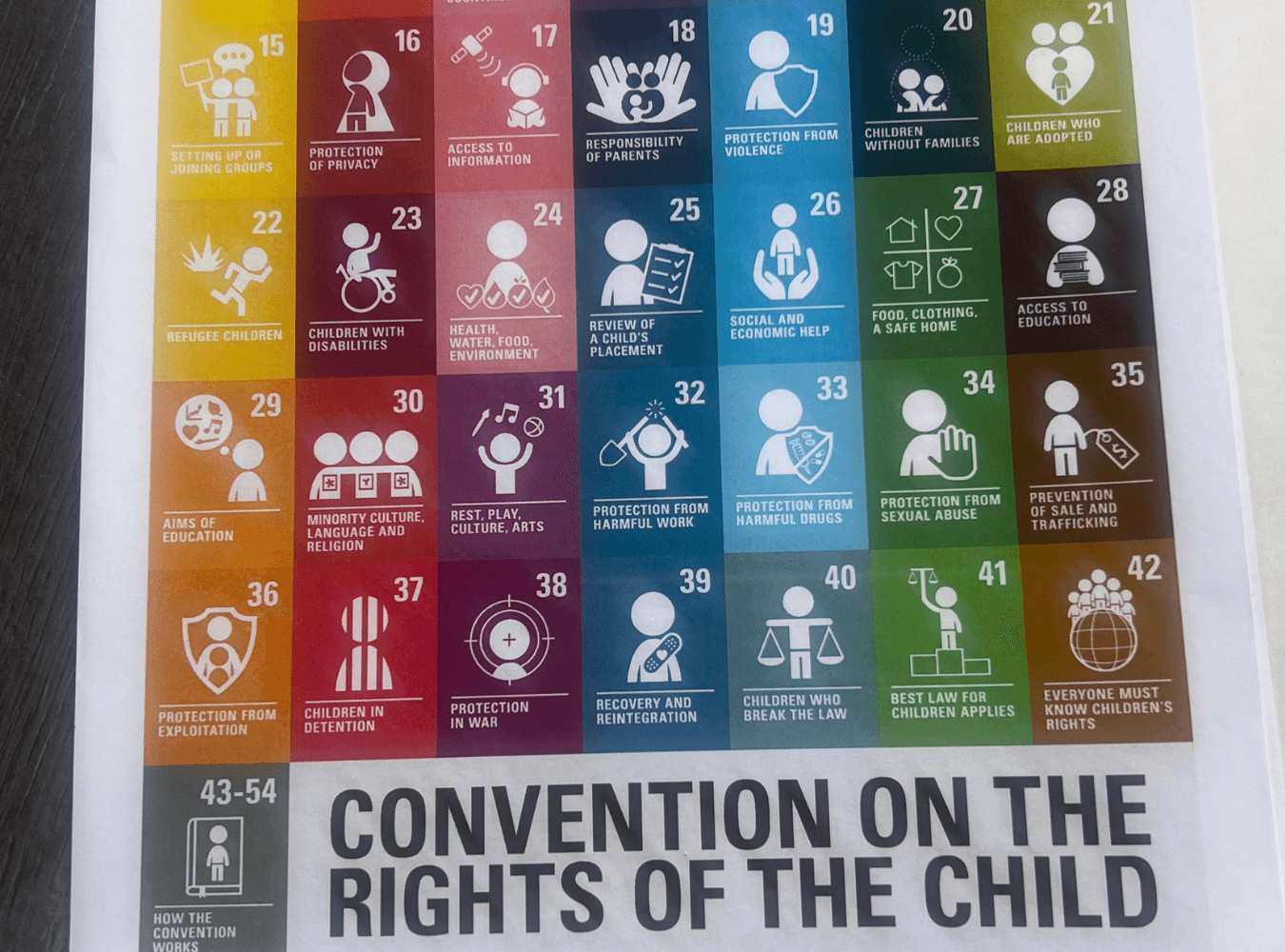
• Protection from violence

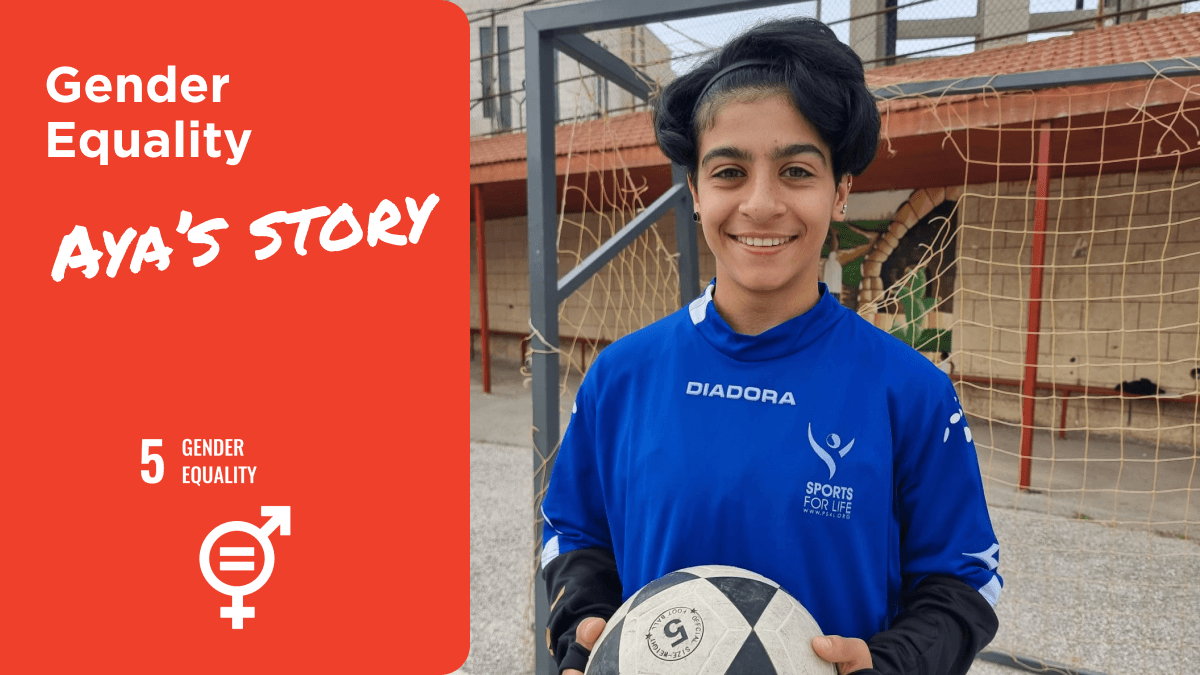
• Gender equality

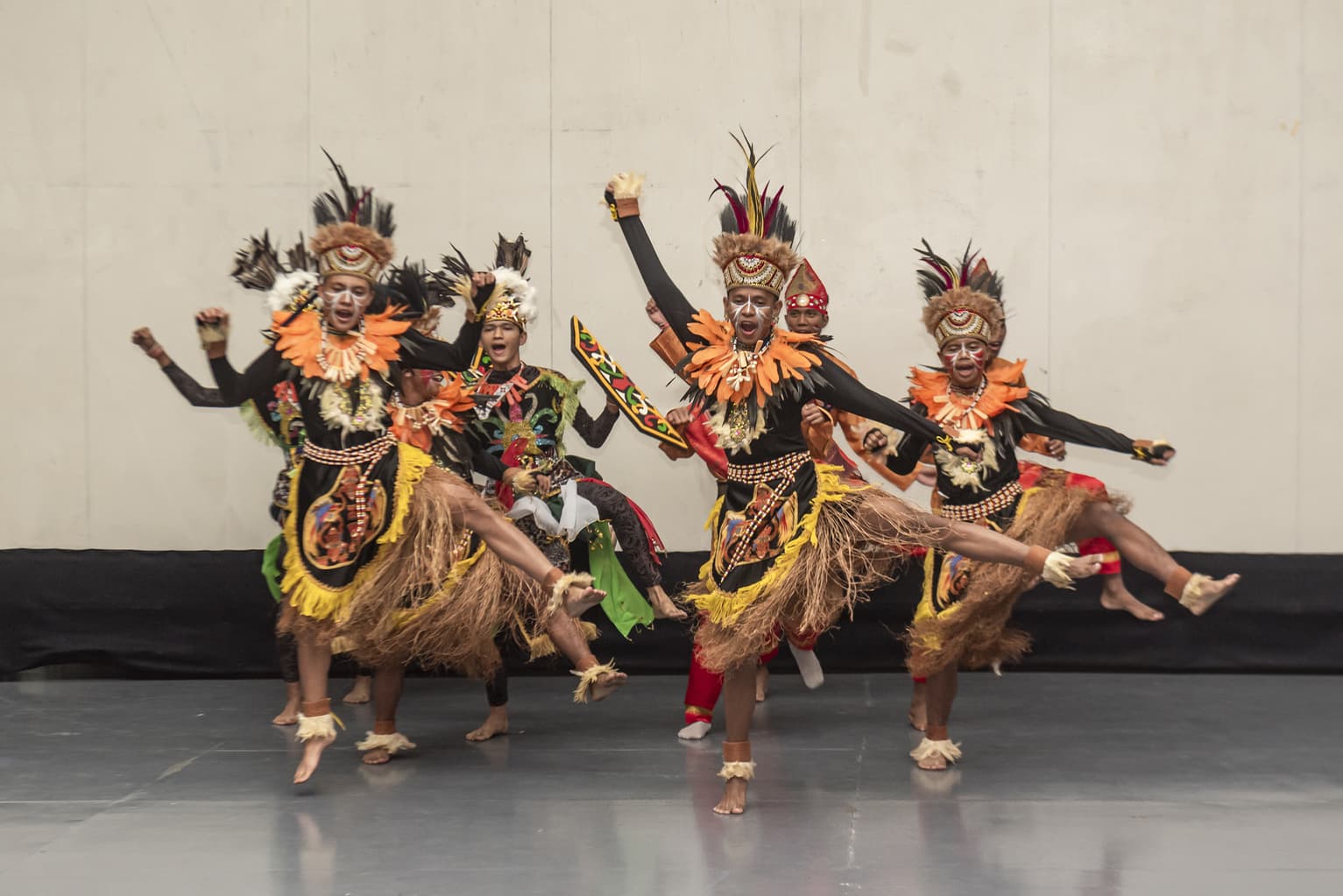
This year, Lerato is working closely with our arts volunteers to make sure these messages are creatively represented at the General Assembly on May 14. We’re hoping to livestream the event globally, potentially even to the UN, as we’ve done before.

Street Child World Cup, a growing platform for change

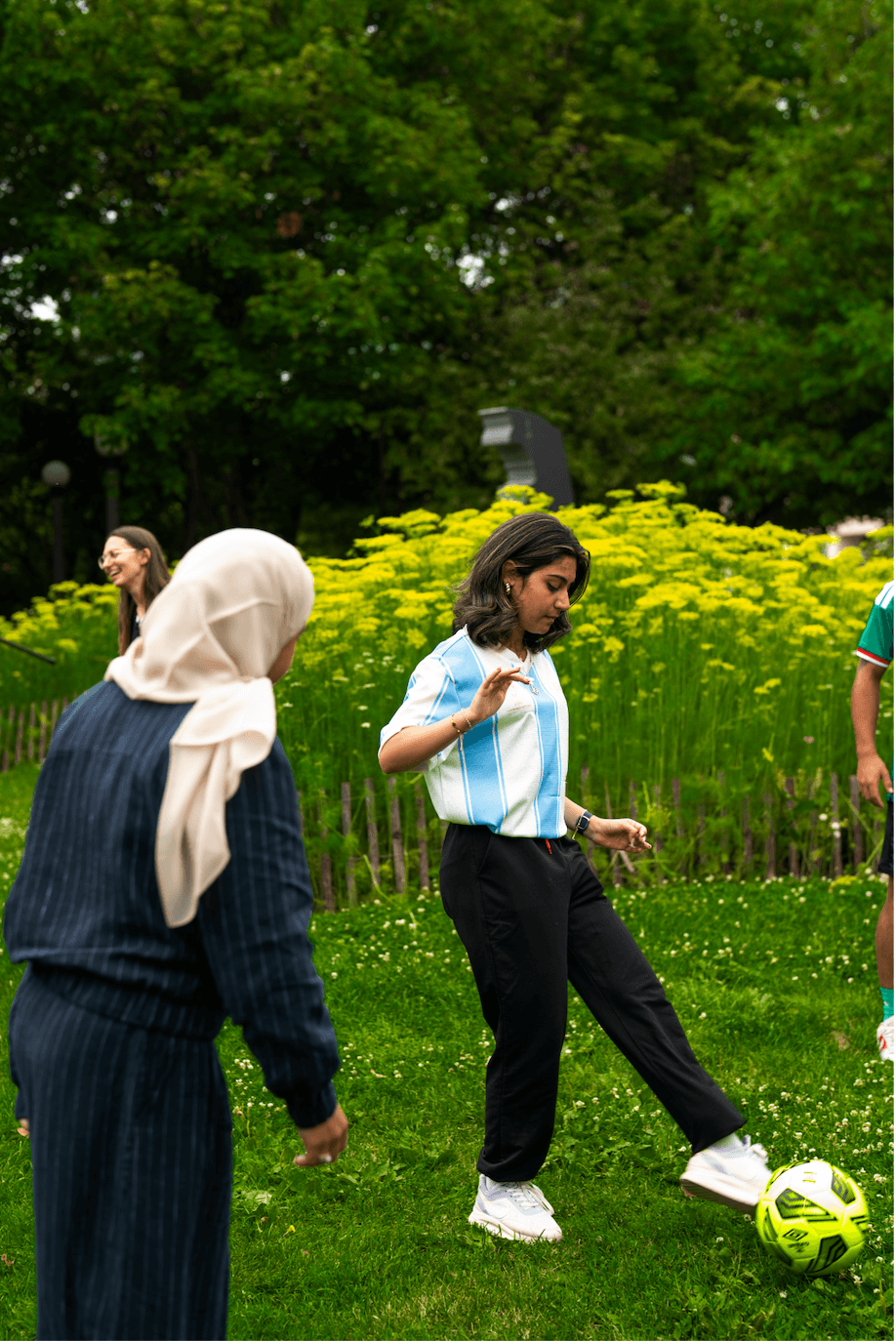
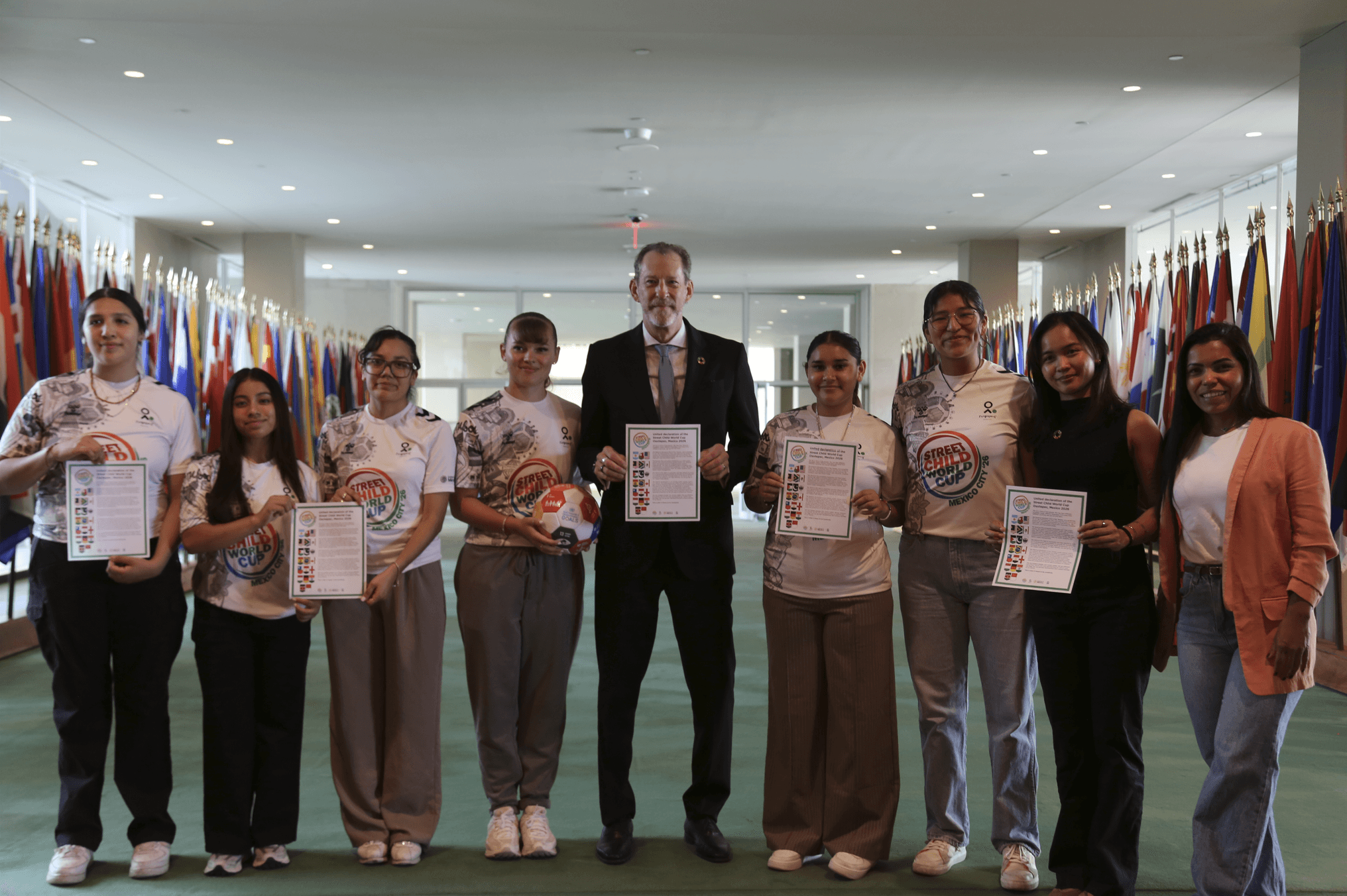
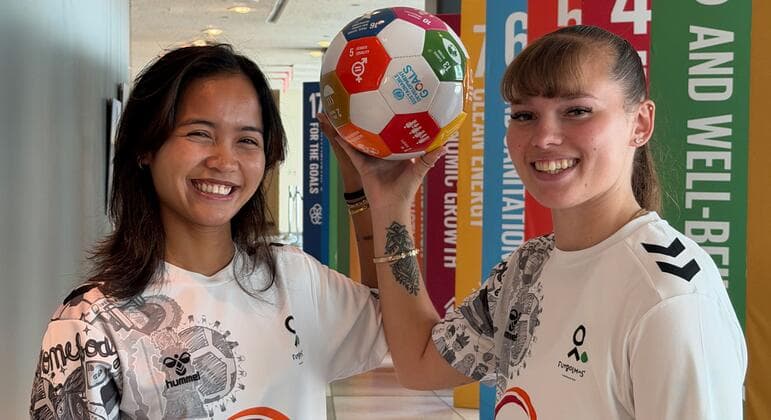
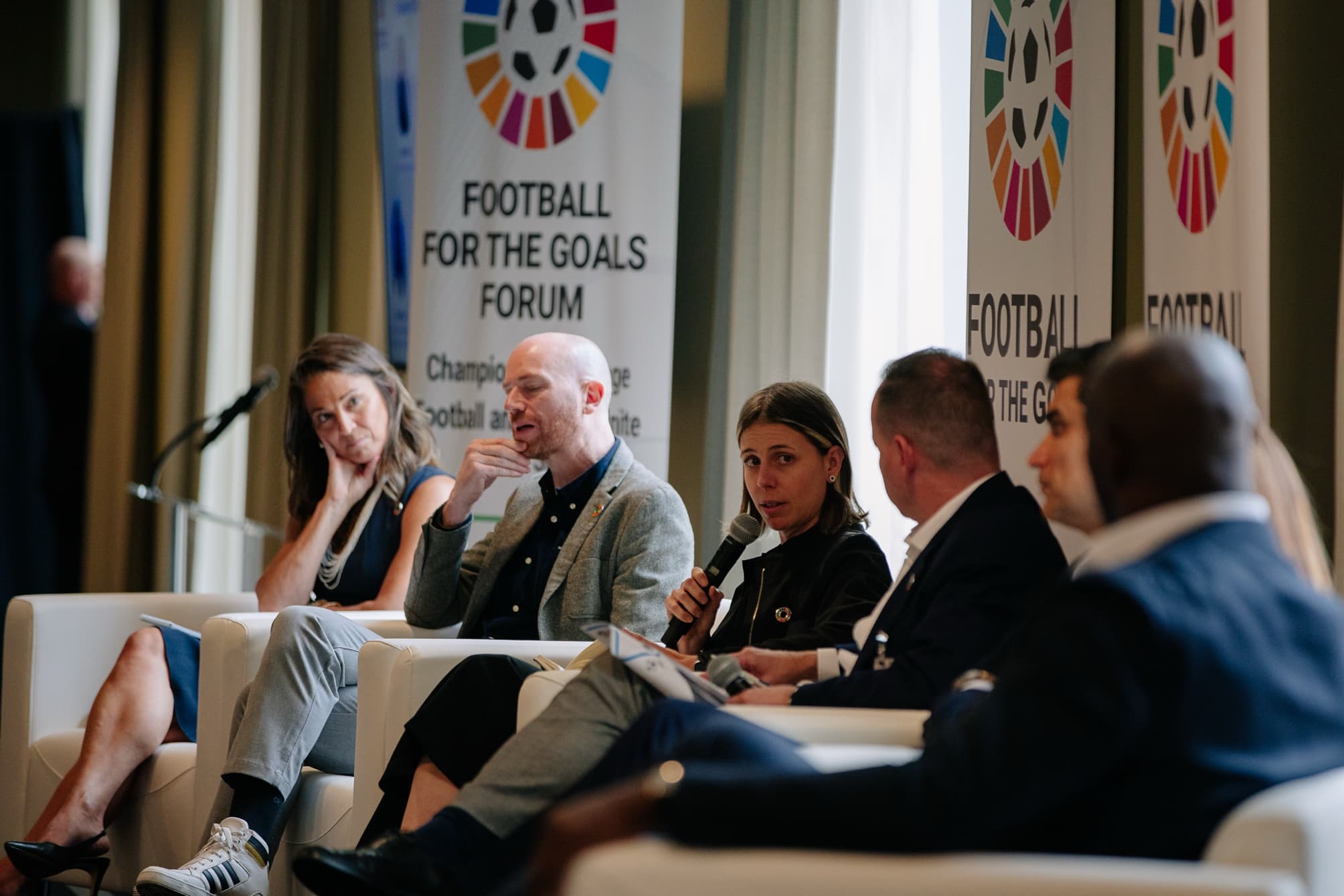
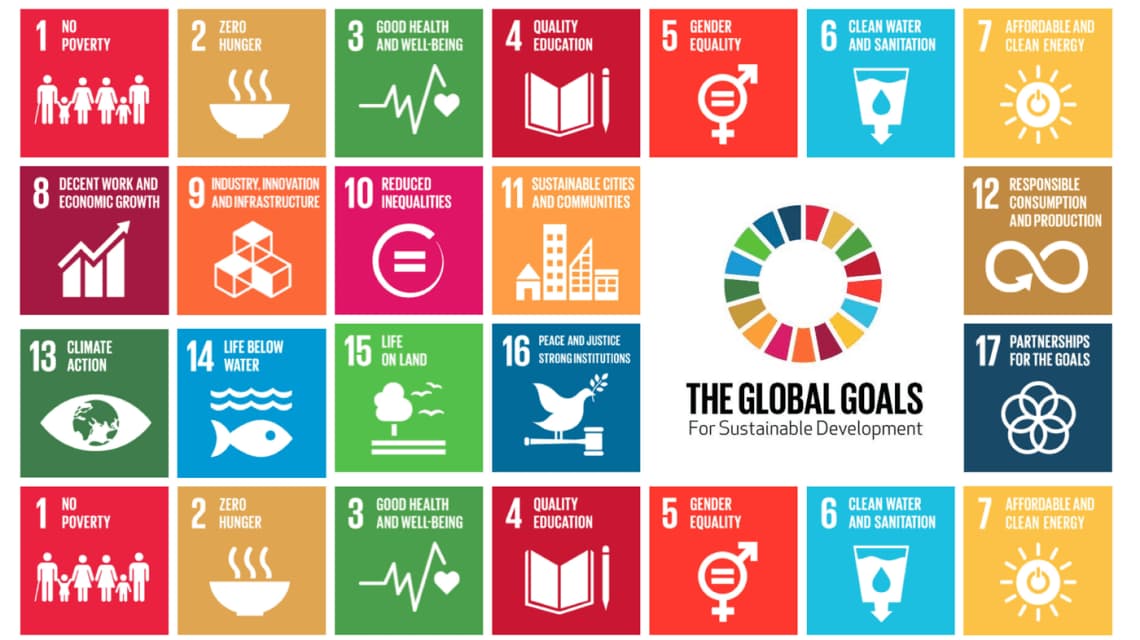
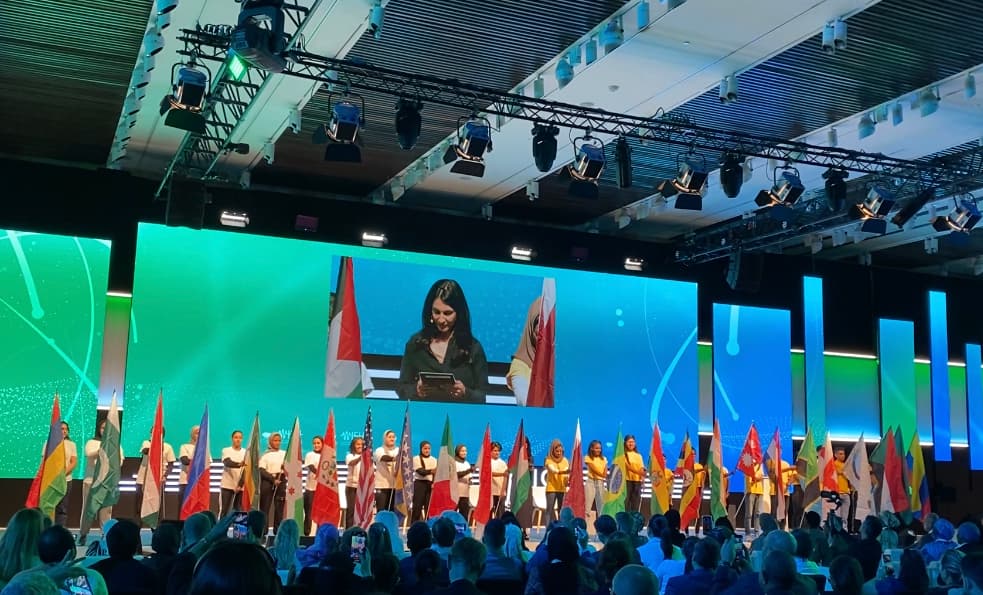
In New York, I had the privilege of joining one of our Young Leaders at the International Day of Sport for Development and Peace. The event was co-hosted by Football for the Goals, a UN initiative aligning the football world with the Sustainable Development Goals.

One goal in particular, SDG 16.9, is about making sure everyone has legal identity by 2030. For street-connected young people, this is still a major barrier. But we have seen progress in countries like India, Pakistan, Bangladesh, and Bolivia, where the platform of the Street Child World Cup has helped simplify birth registration processes. This is real change, and it gives me hope. I’m confident this global momentum will only grow.

Myself, Scott Lewis and Young Leader Ailyn at the UN
Visa challenges for Street Child World Cup teams

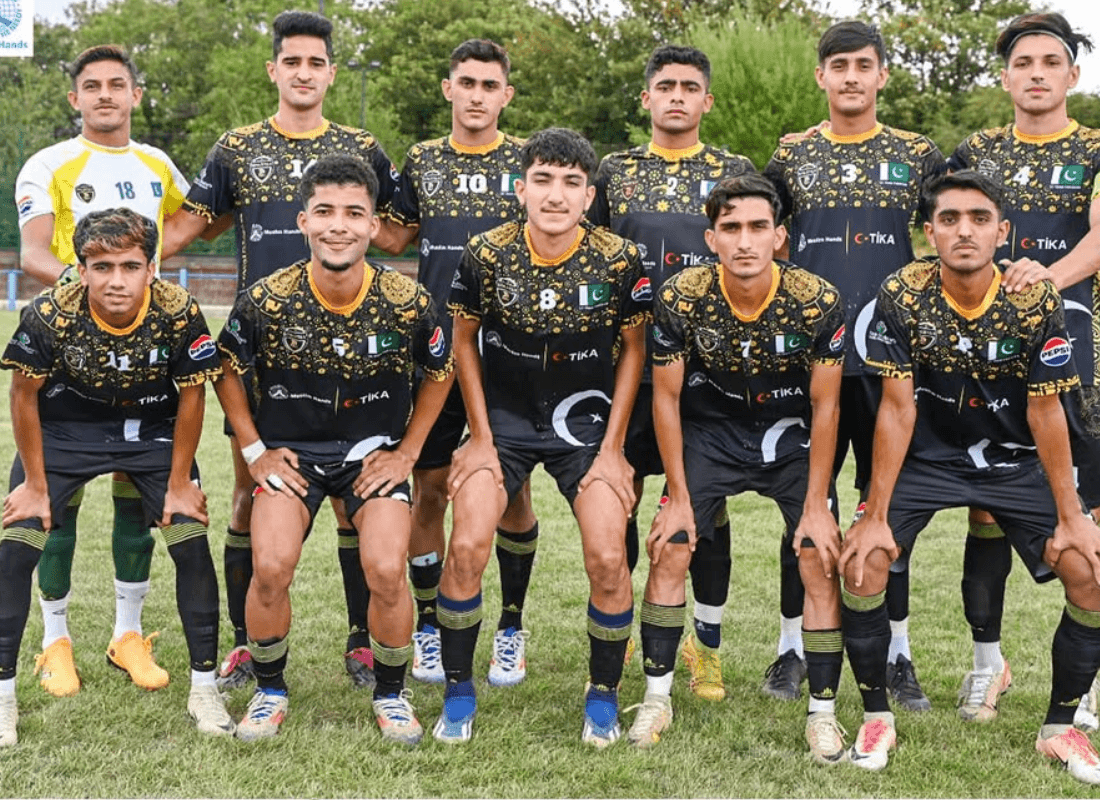
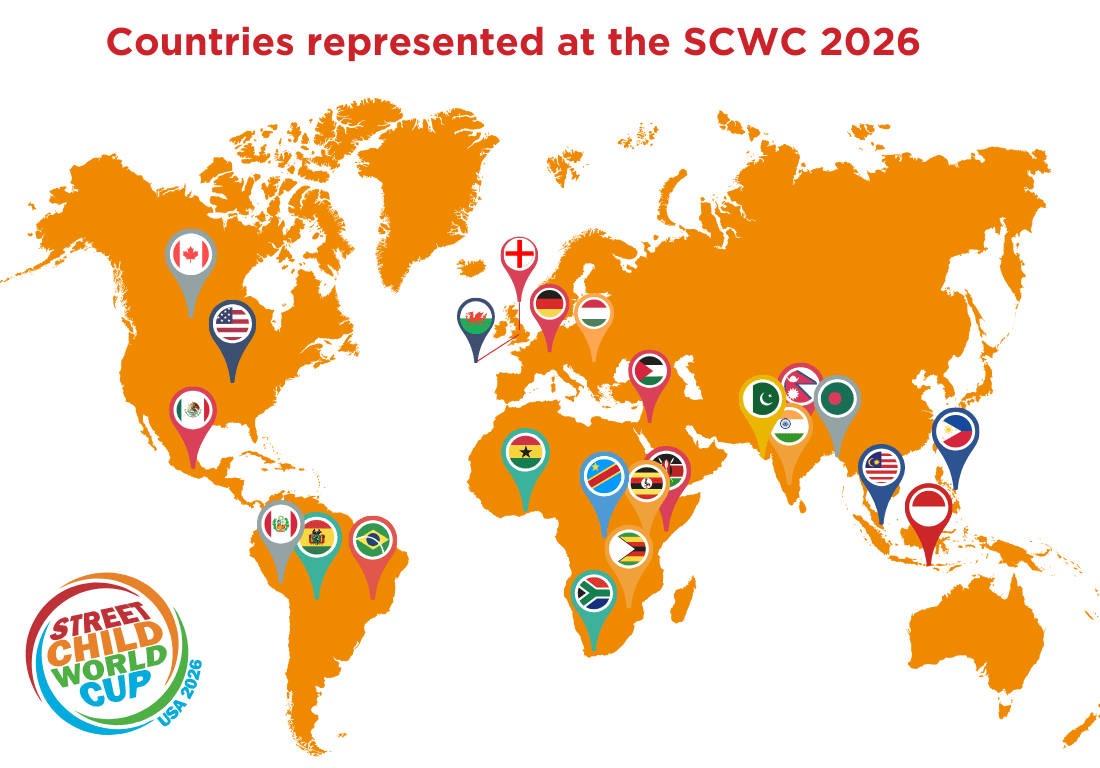
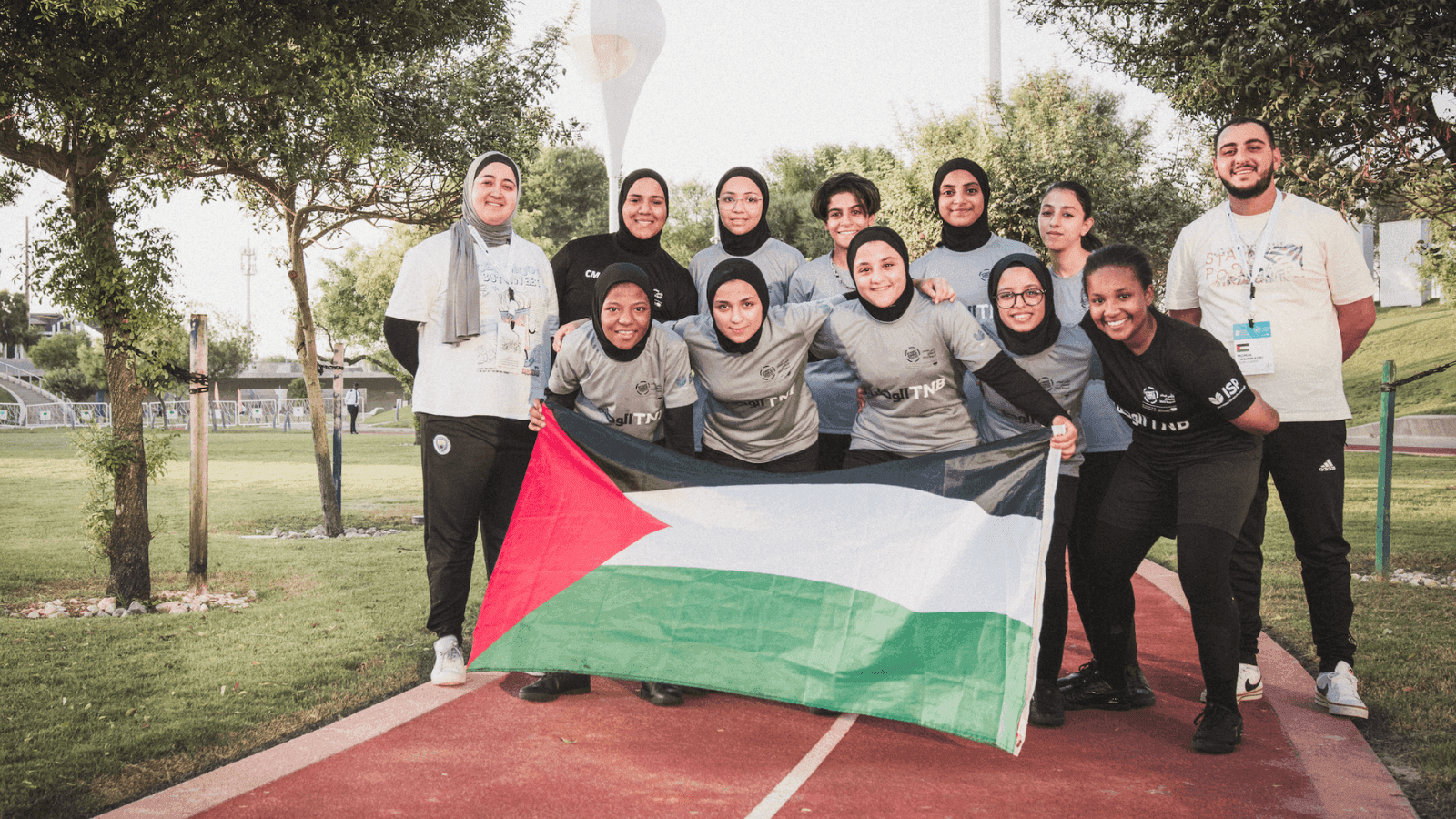
Although hope is increasing, of course, there are still challenges to overcome – particularly around visas. Teams from Pakistan, DR Congo, and Palestine, are navigating complex and changing routes due to geopolitical constraints. It’s not easy, but there’s daily contact, problem-solving, and extraordinary commitment from partners from around the world to make it happen.

As of 20th April 2026, our delegation numbers stand at:

310 young people
160 boys
150 girls

They will be supported by 112 adult leaders.

Travel documentation is progressing steadily.

Passports needed
201 obtained / 310 needed

████████████████████░░░░░░
65% complete

Visas needed
212 obtained / 310 needed

████████████████████████░░
68% complete

A season of hope

My whirlwind trip across North America spanned a remarkable moment in the calendar. I left at the end of Ramadan during Eid, was in New York for Passover, and returned to Cambridge for Good Friday and Easter. Different traditions, different faiths, all rooted in hope. That felt significant.

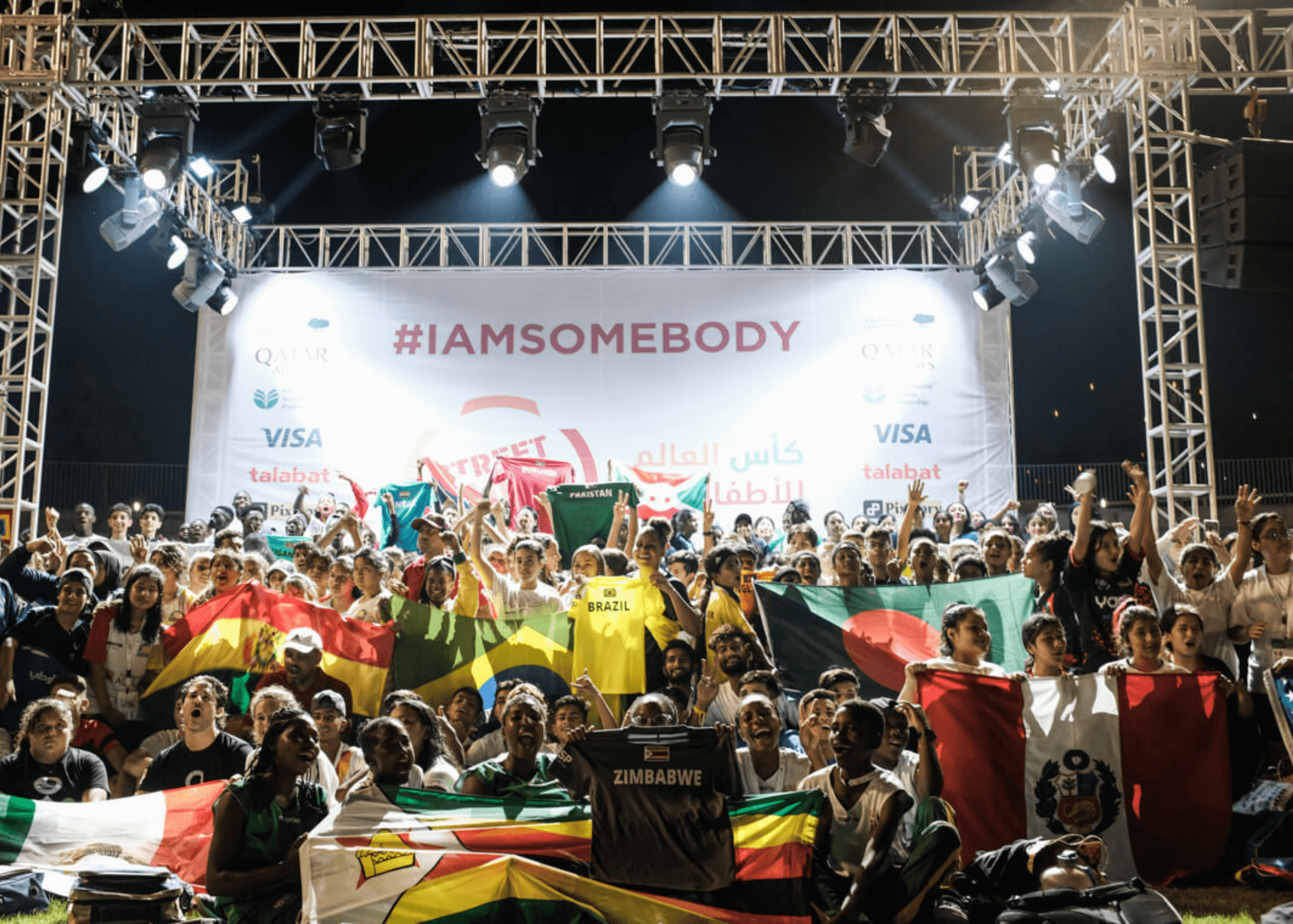
What stays with me most from this journey is the sheer scale of global goodwill. People of kind hearts and determined minds, working together across continents, all pulling in the same direction so that these young people can:

Come to Mexico

Wear their national jersey

Represent their country

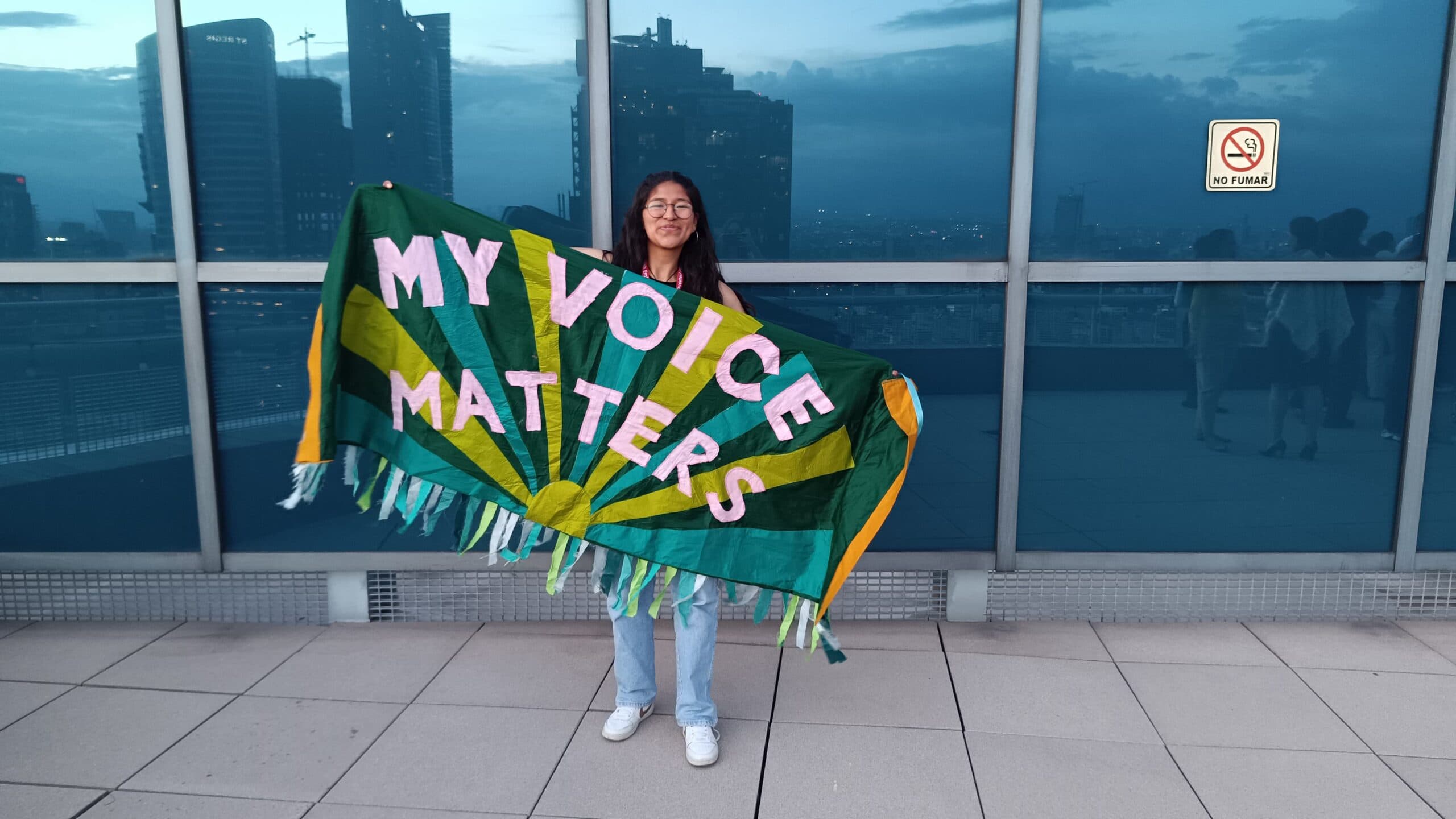
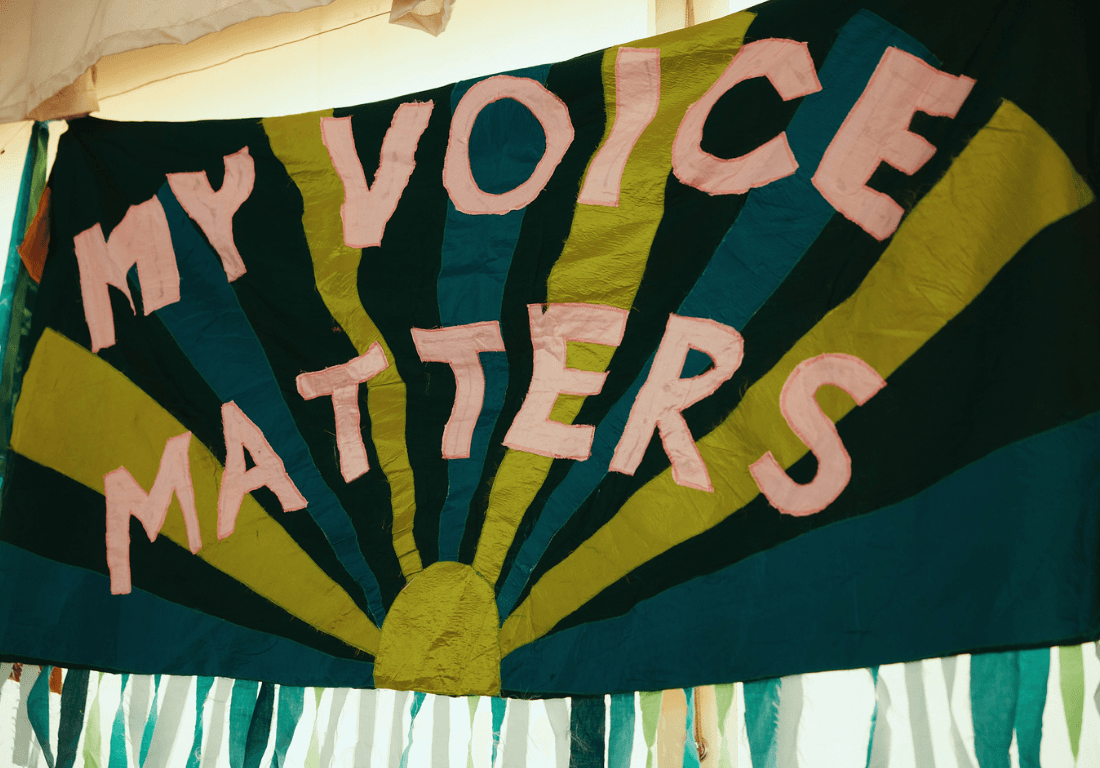
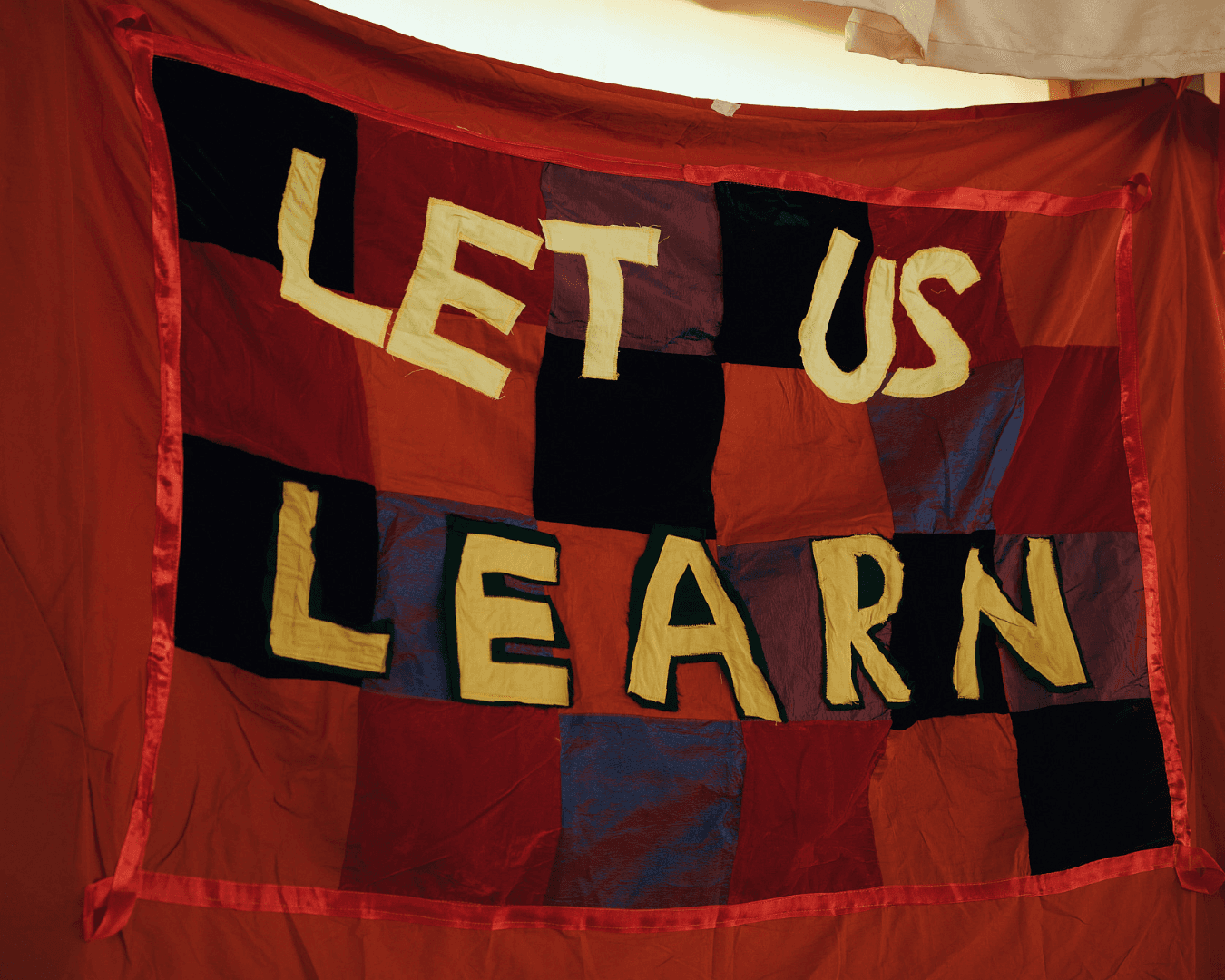
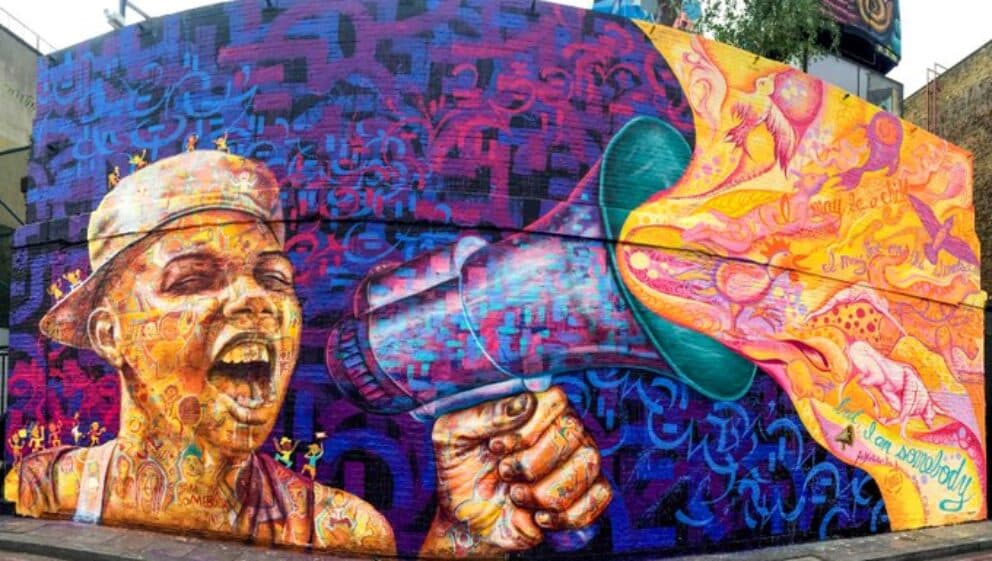
And tell the world, clearly and powerfully that:


Until the next update,

John.

Help us out, spread the word!

Twitter
Facebook
LinkedIn
WhatsApp
Email